Отряд
Бесхвостые
Классификация
Отряд — бесхвостые
Семейство — крестовки
Род — крестовки
Вид — кавказская крестовка
Ареал обитания
Крестовка — один из характерных видов Западного Кавказа. Населяет Краснодарский край и юго-запад Ставропольского края в России, Грузию и северо-запад Азербайджана. В центральной части Предкавказья и Северной Осетии отсутствует. Обнаружена в Турции на запад до гор Ешиль-Ирмак, около 39° в. д.. Распространение вида привязано к лесной зоне с годовым количеством осадков в 400-3200 мм.
Внешний вид и половые отличия
Общая длина достигает 5,5 см.
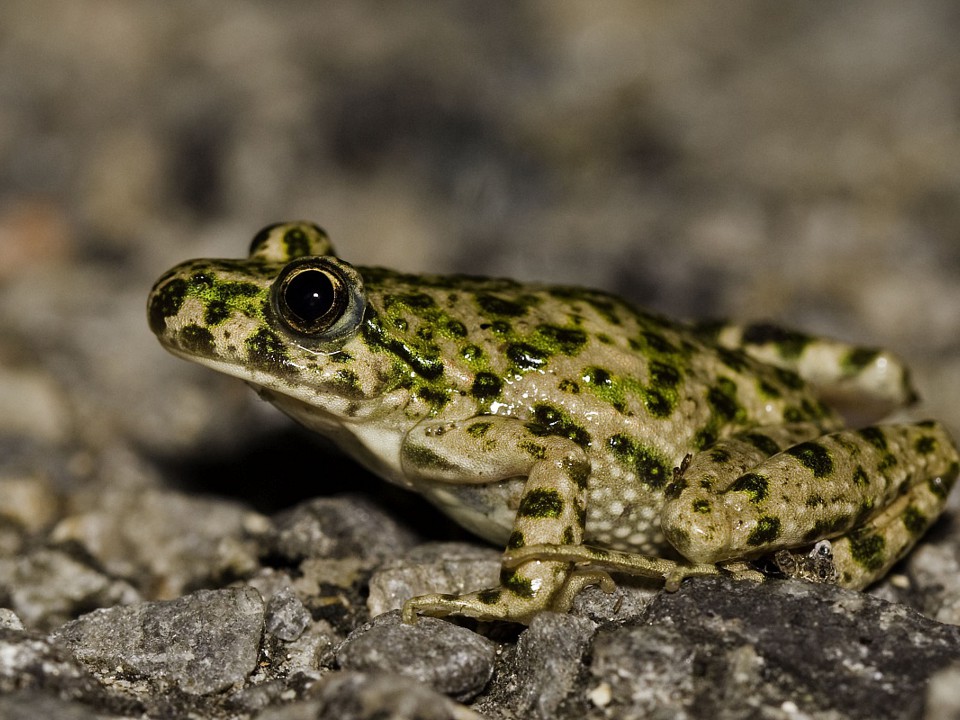
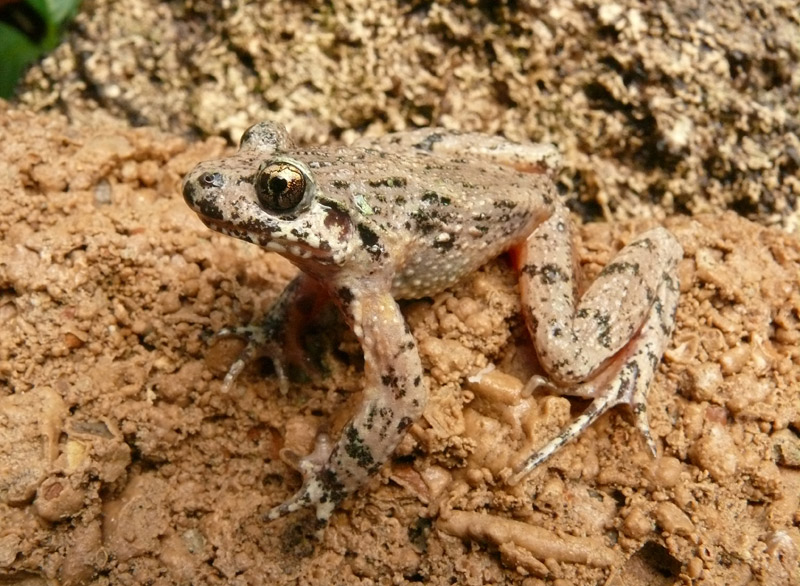
Сверху коричневатая, от светлого до темного тонов (особенно в брачный период). На туловище заметен светлый косой крест (откуда и название животных). Помимо светлых и темных пятен, в окраске может быть выражен также зеленый цвет. На верхней части туловища и конечностей рассеяны многочисленные бугорки высотой 0,3-1,5 мм и диаметром 0,5-1,2 мм, которые часто формируют гребни, короткие или длинные, прерывистые или сплошные (до 5 пар). Рисунок гребней очень изменчив. Изучение микросрезов кожи показало, что бугорки и гребни образованы сильно развитыми железами, которые нередко расположены в 2-3 слоя. Вершины бугорков у более светлых особей заметны в виде красных точек. Для крестовок характерны многочисленные брачные мозоли, которые расположены на нижней стороне тела: на передних и задних конечностях, подбородке, груди, брюхе, по бокам туловища. Эти мозоли наиболее сильно развиты у самцов, но встречаются и у самок. В период размножения они черного цвета, в другое время от беловатого до светло-коричневого. Пальцы ступней снабжены кожистой оторочкой. Горло самцов слегка пигментировано.
Характер
Активны преимущественно в сумерки и ночью, днем находясь в убежищах под камнями и корнями деревьев, опавшей листвой, в норах и т.д. В дождливую и пасмурную погоду могут быть встречены днем.
Содержание и уход
Акватеррариум горизонтального или вертикального типа, верхняя часть которого (над водоемом) представляет собой подобие террариума для тропических животных, но, как бы, без дна. Дно заменяет водоем и участок берега, суши, над которым и под которым располагаются точки верхнего и нижнего обогрева. На берегу, в случае необходимости, устанавливают подогревы – термокамни, термоковрики и др. Берег устраивают или с боковой части террариума, или вдоль задней стенки. Вентиляция верхняя. Дверцы – выше уровня водоема, спереди, или с боковины, возле которой нет подогревов. Общая высота горизонтального акватеррариума (высота водоема + высота над водоемом) может быть равной его длине. Под берегом можно разместить фильтр с аквариумной помпой и аквариумной грелкой. Кормить насекомыми.
Кормление
В составе кормов преобладают насекомые; попадаются также другие беспозвоночные, например, наземные моллюски и ручейники, водные личинки которых заглатываются вместе с домиками. Поедание последних происходит у кромки воды на берегу водоема. Головастики питаются, в основном, детритом; известны случаи употребления животного корма (мертвые тритоны, головастики, икра), а также каннибализма. Брачный пост у взрослых не обнаружен. Крестовка может схватывать жертву с поверхности воды. Сами крестовки служат добычей для ужей, куторы (водной землеройки). Икра и головастики поедаются форелью и другими рыбами, тритонами, головастиками лягушек и жаб.
Особенности
Кавказская крестовка занесена в Красную книгу России. У них не слишком большая территория обитания, а количество лягушек с каждым годом становится меньше. Люди, осваивая земли и используя водные ресурсы для своих нужд, лишают земноводных привычных мест обитания.
Болезни
В дикой природе кавказская крестовка живет 5 – 12 лет.
Разведение
Размножается кавказская крестовка в стоячих водоемах, тихих заводях или участках рек со слабым течением. Кладка имеет вид слизистых мешков длиной до 8 см, содержащей до 750 икринок. Вдоль кладки, посередине ее, проходит прутик или травинка. Для развития икры нужно тепло, поэтому нерест происходит только в открытых, хорошо прогреваемых солнцем участках. В этот период днем лягушки проводят у самой воды, прячась под камнями, в нишах берегового обрыва, под нависающими прядями густой травы. И лишь в сумерках самцы первыми уходят в воду и начинают свои призывные песни, приглашая самок последовать их примеру.