Отряд
Хищные
Классификация
Класс: Mammalia (Млекопитающие)
Подкласс: Theria (Живородящие млекопитающие, настоящие звери)
Инфракласс: Placentalia (Плацентарные, высшие звери)
Надотряд/Надпорядок: Laurasiatheria (Лавразиотерии )
Отряд/Порядок: Carnivora (Хищные)
Подотряд/Подпорядок: Caniformia (Псообразные)
Семейство: Mustelidae (Куньи, или куницевые)
Подсемейство: Mustelinae (Куньи)
Род: Mustela (Ласки и хорьки)
Вид: Mustela putorius (Лесной хорек)
Ареал обитания
Обитает на территории всей Западной Европы, но ареал его постепенно сокращается под влиянием человека. Встречается почти на всей территории Европейской части России. Так же встречается на Северо - Западе Африканского континента.
Завезён в Новую Зеландию для борьбы с грызунами, прижился там и стал угрожать местной фауне.
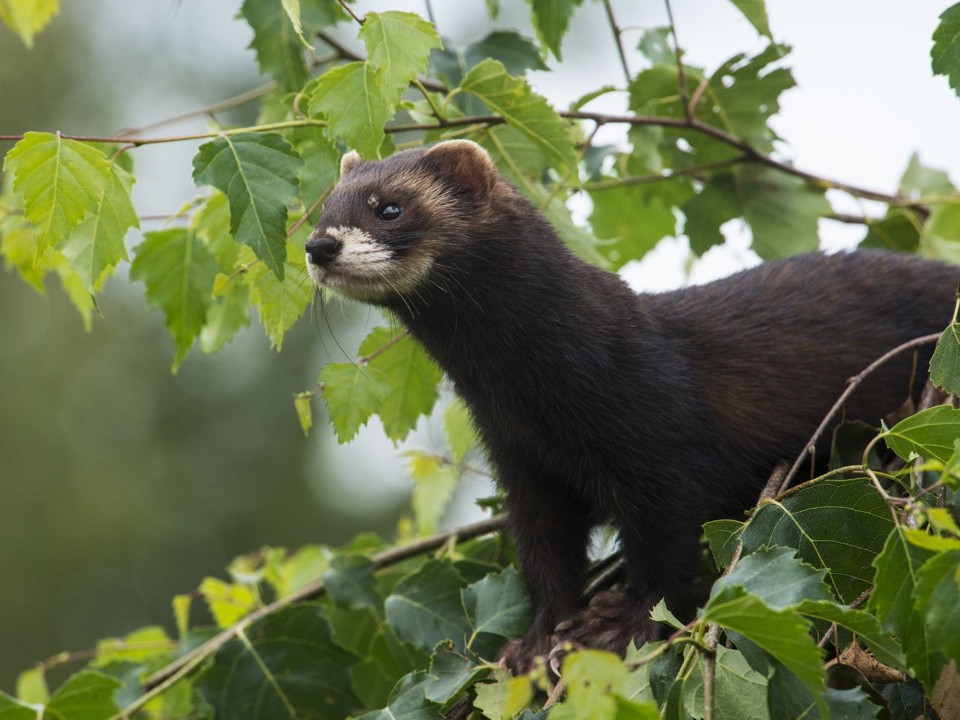
Житель лесов.
Внешний вид
Вес самцов: 1-1,5 кг.
Вес самок: 650-800 г.
Длина тела: 30-46 см.
Длина хвоста: 8-13 см.
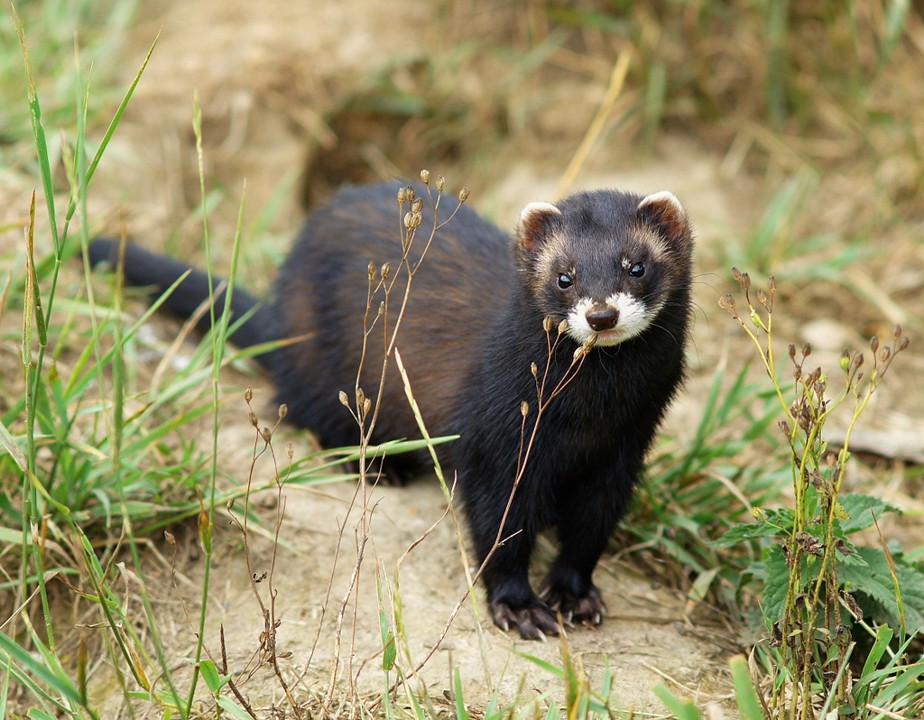
Ноги короткие с длинными и острыми когтями.
Туловище вытянутое и гибкое.
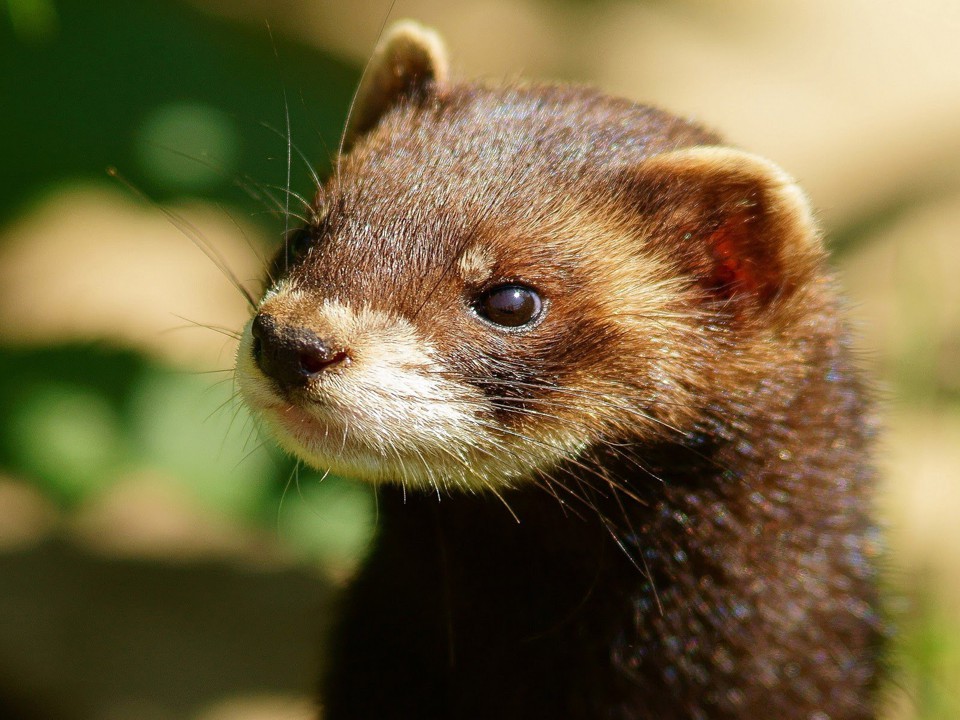
Окрас взрослого хорька чёрно-бурый, живот, ноги, грудь, горло, а также хвост — почти чёрные. На голове более тёмная маска. Встречаются альбиносные особи.
Характер
Ведёт одиночный образ жизни, с партнёром объединяется только на время брачного сезона.
Прирученный хорь охотно идёт на контакт с людьми, общается с ними и привыкает к ним.
Активны преимущественно в сумерки.
Содержание и уход
Минимальный размер клетки для хорька, 50 на 70 на 50 см, а лучше больше. Клетка из прутьев нежелательна, хорьки могут пытаться выломать прутья и часто ломают зубы при этом. На пол клетки для удобства уборки (она должна быть ежедневной), нужно положить кусок линолиума или засыпать пол древесным или кукурузным наполнителем. В клетке должен быть лоток с наполнителем и высокими бортиками, а так же автоматическая поилка и керамическая или железная миски для еды - пластиковую использовать нежелательно, хорёк может её сгрызть, и уж точно будет таскать по клетке и высыпать корм.
В качестве спального места хорошо подходит гамак для грызунов, можно поставить и деревянный домик и положить внутрь солому.
Хорьку необходимы игрушки - подойдёт те что продаются в зоомагазине для кошек. Можно давать им и мягкие игрушки, но нужно удалить из них твёрдые части (глаза,нос), чтобы хорёк их не разгрыз и не проглотил.
Хорька нужно купать раз в месяц, со специальным шампунем для хорьков, а вот просто плавать в ванной он может хоть ежедневно - это очень полезно и укрепляет мышцы.
Необходимо еженедельно чистить хорьку уши, учить хорька этой процедуре нужно с самого раннего возраста.
Хорьки линяют дважды в год, в этот период их нужно вычёсывать ежедневно.
Продолжительность жизни до 10 лет.
Кормление
Основа рациона хорька это продукты животного происхождения, хотя в общем эти зверьки всеядны. В качестве корма для хорька используют курицу, индейку, баранину и говядину, это основа рациона хорька. Небольшой процент в рационе хорька должны составлять овощи (морковь, тыква), крупы (рис, гречка), яйца (лучше перепелиные), субпродукты (печень, сердце, куриные желудки), творог, рыба, растительное масло. Так же можно давать фрукты - яблоки, груши, абрикосы, персики, и ягоды - землянику, малину.
В продаже можно видеть специальные консервы для хорьков, это тоже хороший вариант корма для них. Есть и специальные сухие корма. Кормить кормами для кошек и собак хорька нежелательно.
Для поддержания веса в норме самки нуждаются в 200 калориях в день, а самцы в 300 калориях.
Категорически нельзя давать хорьку сдобные продукты и копчёности.
Если хорёк питается домашней пищей, а не из зоомагазина, необходимо давать ему минеральные и витаминные подкормки.
Особенности
Может устраивать запасы.
Нуждается в выгуле вне клетки, хорошо гуляет на шлейке.
При недостаточности нагрузки легко набирает вес, что очень вредно.
Хорьки пахнут специфически, при очень частом мытье запах только усиливается.
При опасности выпускает едкопахнущую жидкость из параанальных желез, их можно удалить.
Болезни
Поражение ушным клещом - в этом случае хорёк беспокоен, часто трясёт головой, в ужах скапливаются красно - коричневое содержимое. Лечится ушной клещ специальными каплями, которые можно приобрести в зоомагазине.
Хорьки могут болеть опасными для человека болезнями - бешенство, лептоспироз, чума, поэтому их необходимо ежегодно прививать.
Разведение
Гон у лесного хорька начинает у апреле - мае, в этот период хорьки становятся более агрессивными и непослушными. Беременность длится 45 дней, у самки рождается от 4 до 6 щенков, которых она кормит молоком, но достаточно быстро начинает давать им и мясо. Половозрелости лесные хорьки достигают к годовалому возрасту.