Породы вне классификации
Группа 5. Собака-компаньон
Группа 5. Собака-компаньон
Породы вне классификации
Породы вне классификации
Породы вне классификации
Породы вне классификации
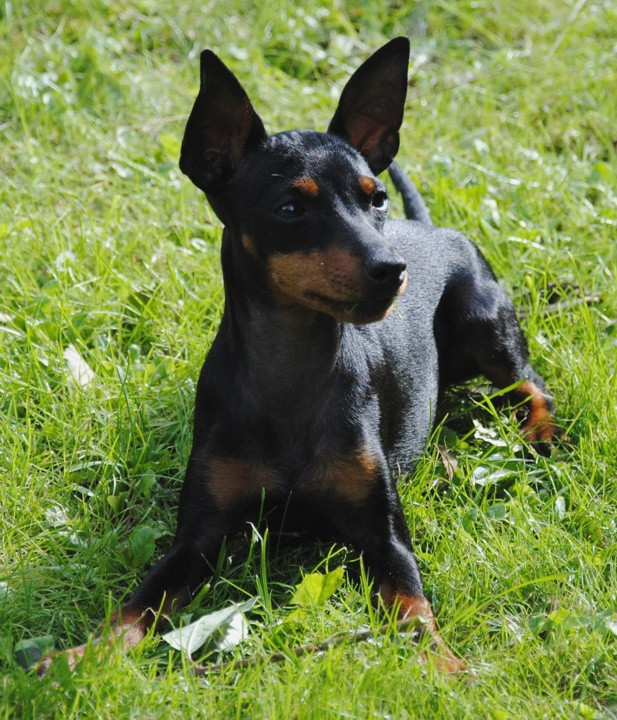
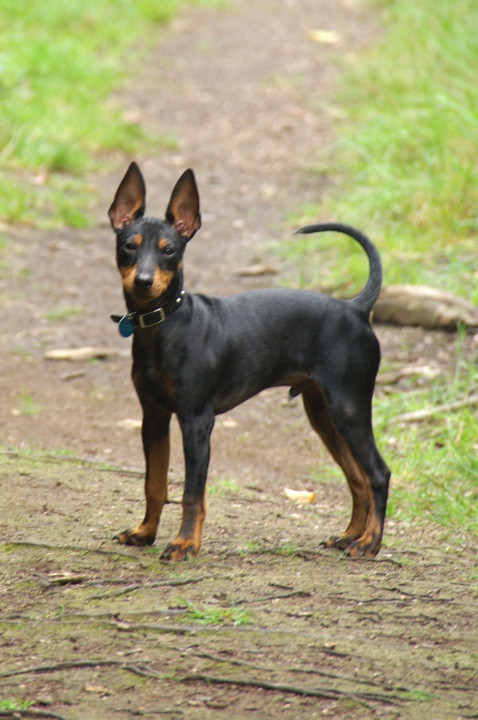
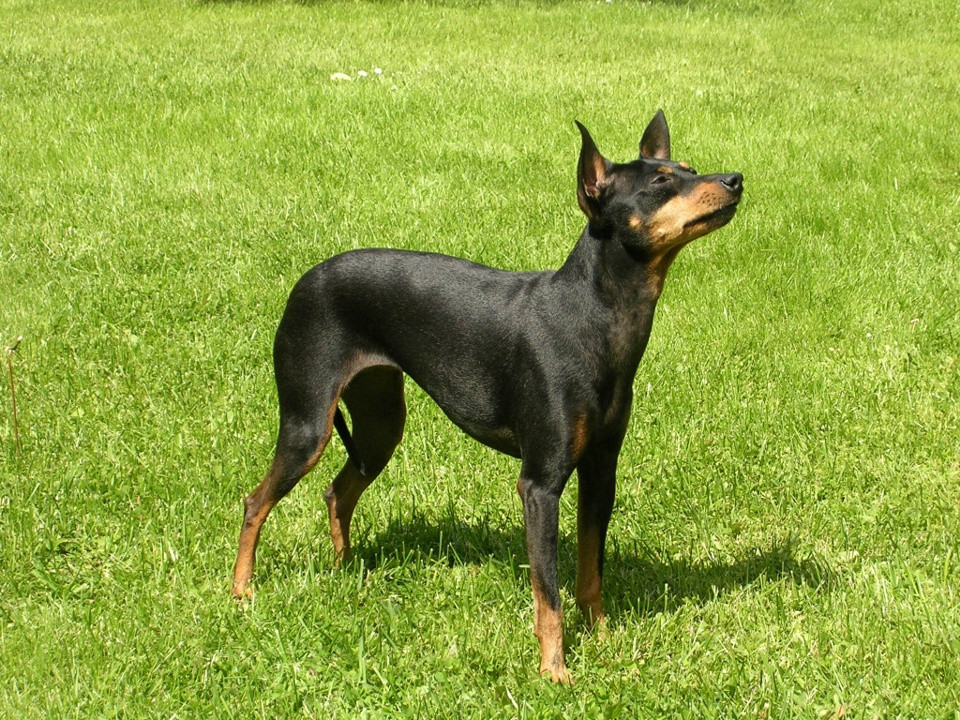
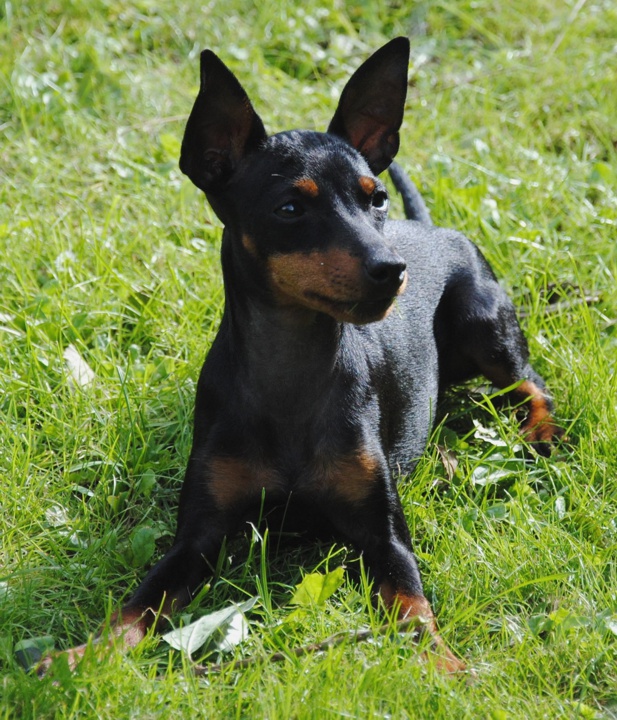
Череп плоский, черепная часть клиновидная. Нос черный. Морда слегка сужается, что дает ей клиновидную форму как при осмотре сбоку, так и спереди. Хотя и может показаться, что у собаки недокус, любые намеки на зауженность морды нежелательны. Губы сомкнутые. Зубы ровные и крепкие. Верхняя и нижняя челюсти плотно прилегают друг к другу. Челюсти крепкие, с прекрасным, правильным и полным ножницеобразным прикусом, т.е. верхние зубы плотно находят на нижние и стоят в челюстях вертикально. Скулы без заметных скуловых мышц. Глаза темные до черного, без светлого оттенка радужки. Относительно маленькие, миндалевидные, косо поставленные и блестящие, не выпуклые. Уши в форме пламени свечи, со слегка заостренными кончиками, поставлены высоко на задней части черепа довольно близко друг к другу. Правильный размер уха может быть определен при наклоне его вперед – оно не должно достигать глаза. С возраста собаки 9 месяцев ухо должно стоять. Вся внутренняя часть уха должны быть направлена вперед. Ушное полотно тонкое.
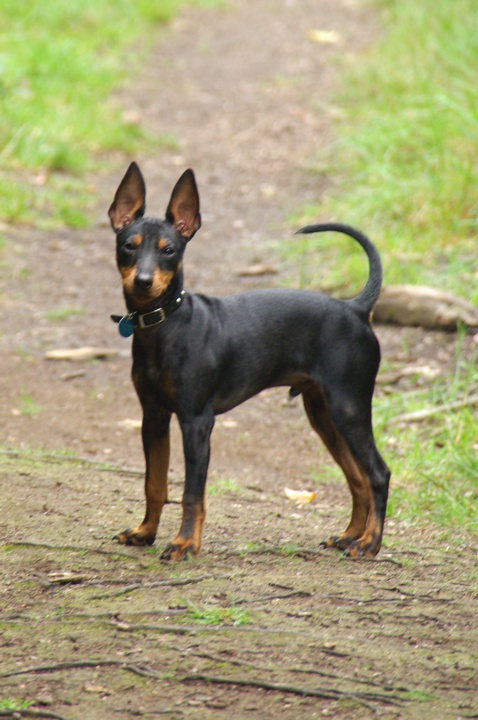
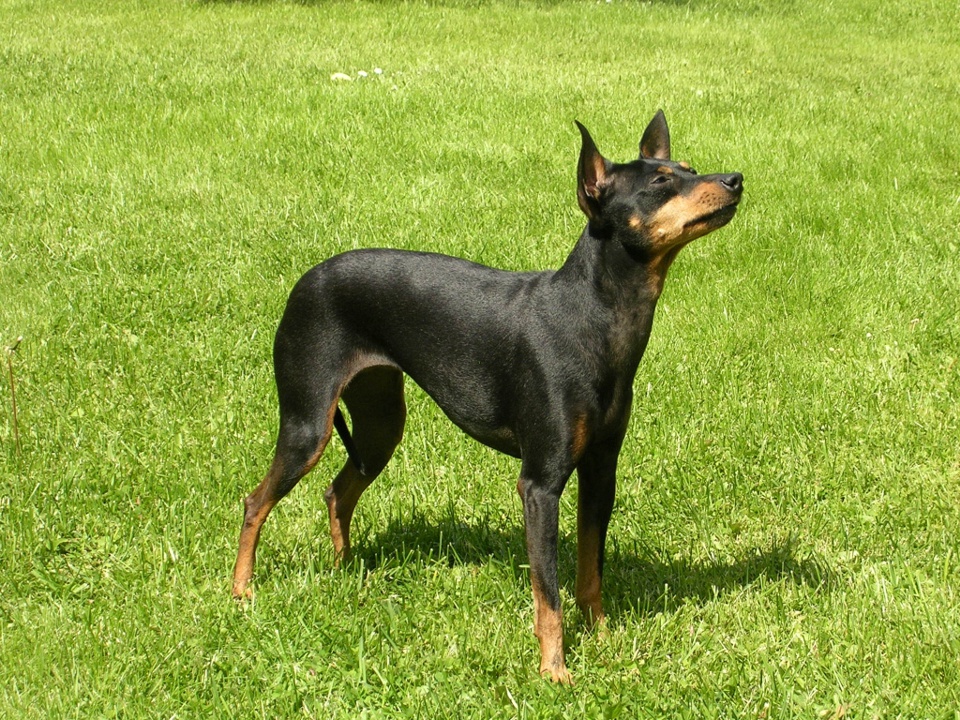
Шея длинная, изящная, слегка изогнутая. Плечи хорошо отведены назад. Линия шеи плавно переходит в плечи и нисходит элегантно. Корпус компактный. Спина очень незначительно изогнута сразу позади плеч и до поясницы, опускаясь далее к основанию хвоста. Поясница короткая, широкая, слегка выпуклая. Круп широкий, слегка округлый, немного скошенный круп. Грудь узкая и глубокая с хорошо изогнутыми ребрами. Ребра выпуклые, уплощенные с боков. Живот немного подтянут.
Передние конечности пускаются от плеч прямо, создавая прямой фронт. Лопатки умеренной длины, расположены не слишком наклонно. Пясти практически отвесные. Задние конечности с мягко округленными седалищными буграми. Бедра с сильной мускулатурой. Колени с хорошо выраженными углами. Плюсны короткие, не повёрнуты ни внутрь ни наружу. Лапы кошачьи, изящные, компактны, с хорошо разделенными между собой сводистыми пальцами.
Хвост толстый у основания, сужающийся к концу. Поставлен низко и не опускается ниже скакательных суставов. Чрезмерно «веселый» хвост нежелателен.
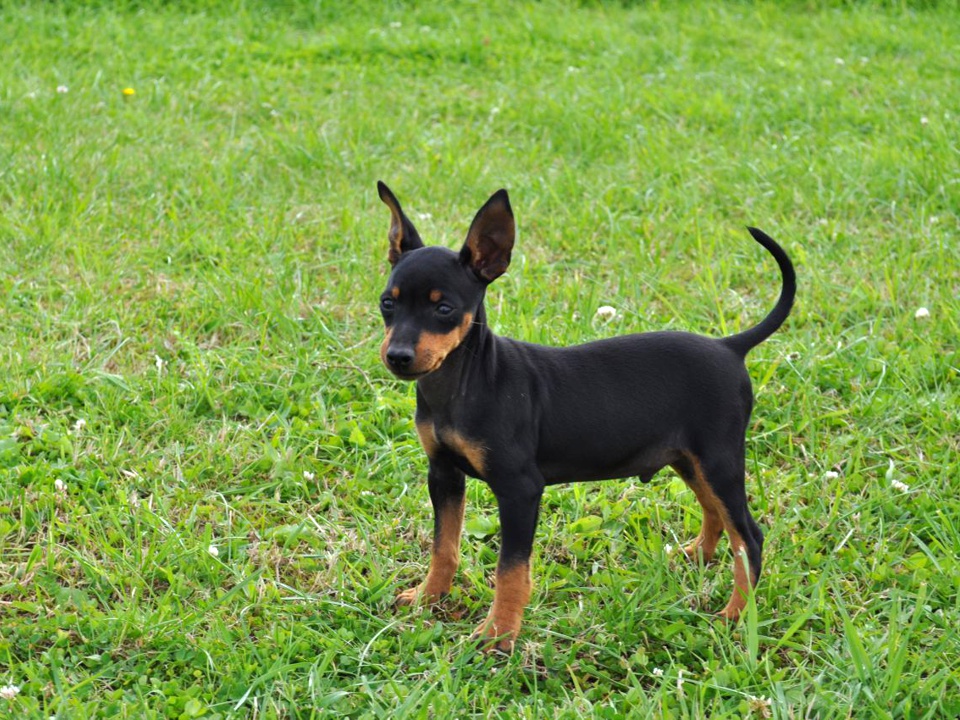
Шерстный покров густой, плотно прилегающий и блестящий. Необходимо, чтобы короткая шерсть была густая. Окрас черно-подпалый. Черный эбонитовый, подпал цвета молодого каштана, очень насыщенный. Окрасы не заходят друг на друга и не смешиваются, стыкуются четко, образуют ясные и очень резкие границы окрасов. Передние ноги с подпалом спереди до суставов. Затем подпал переходит на заднюю сторону ноги и там идет почти до локтя; тонкая черная линия поднимается по каждому пальцу (прочерчена) и четко выраженное черное пятно (след большого пальца) в центре каждой пясти, и под подбородком. Задние ноги с хорошим подпалом на передней и внутренней сторонах, черная полоска отделяет подпал в центре голени. Морда с подпалом. Нос черный, черный цвет идет вдоль спинки носа, изгибаясь под глазами к основанию горла. Пятна подпала над глазами, и небольшие пятная подпала на скулах. На нижней челюсти и на горле подпал, полоска губы черная. Шерсть внутри ушей в цвет подпала. На обеих сторонах груди спереди небольшие пятна подпала. Вокруг анального отверстия и под хвостом – подпал.
Движения передних конечностей сродни размашистой рыси; пассажные движения нежелательны; также нежелателен шаркающий шаг. Движения задних конечностей ровные, сочетают легкость и точность с хорошим толчком; должна присутствовать плавность хода, которая говорит о правильном сложении.
Рост 25-30 см. Вес 2,7-3,6 кг.
Чтобы оставить здесь комментарий, войдите или зарегистрируйтесь на сайте.
Авторизация
