История возникновения
Родина этой породы собак - Северная Африка. Неизвестно точно, когда именно собаки стали сопровождать и охранять берберов и их скот. Возможно, что кочевые племена коренных жителей Северной Африки приручили диких собак и стали использовать их для своей защиты, или же собак привели с собой завоеватели. Во II тысячелетии до нашей эры эти земли захватили финикийцы, основавшие здесь Карфаген, который во II веке до н.э. захватили римляне. И финикийцы, и римляне активно использовали собак, поэтому вполне возможно, что произошло смешение пород - пришедшие с кочевниками собаки смешивались с местными особями. Официальная точка зрения предполагает, что аиди появились в Марокко в районе Атласских гор и, возможно, стали предками пиренейских горных собак (эти породы очень схожи между собой). Как бы то ни было, уже на протяжении многих столетий или даже тысячелетий собаки породы аиди используются берберами Марокко, Ливии и Алжира для защиты своего имущества, стад овец и коз, а также на охоте, ведь аиди отличаются острым нюхом, помогающим им с легкостью находить дичь, которую затем преследуют борзые (слюги). В Африке этих собак называют по-разному, в зависимости от места обитания: в Марокко их зовут «аиди», а в Алжире «кабильскими собаками» и «шауйа» по названию коренных народов. Эти собаки никогда не выполняли действительно пастушью работу, поэтому, хотя их и называют иногда овчарками, на самом деле аиди – типичные горные собаки. Они не пасут скот, а защищают овец или коз, а также кочевой лагерь и вещи своих хозяев от диких животных. Изначально эти собаки применялись для охраны вещей и жилища людей, и лишь потом стали работать и с охраной стада от хищников и людей.
Общий вид
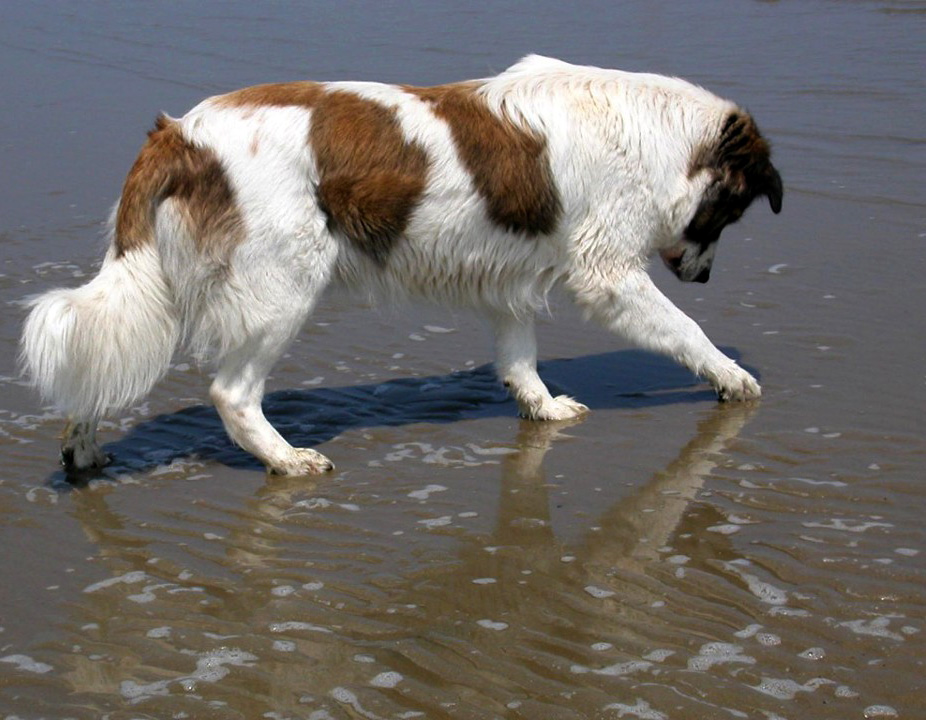
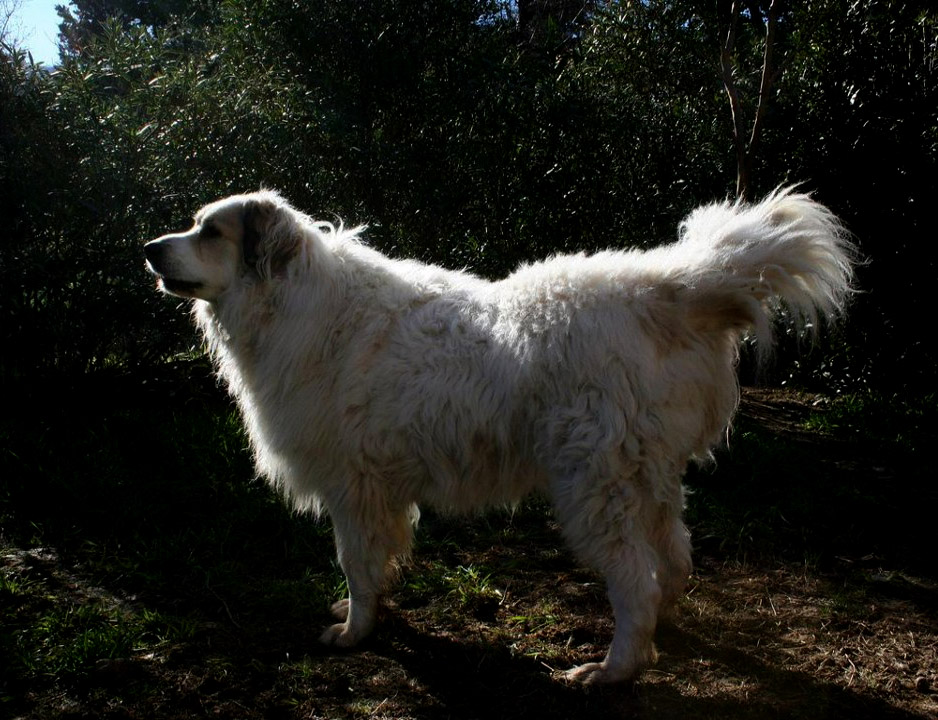
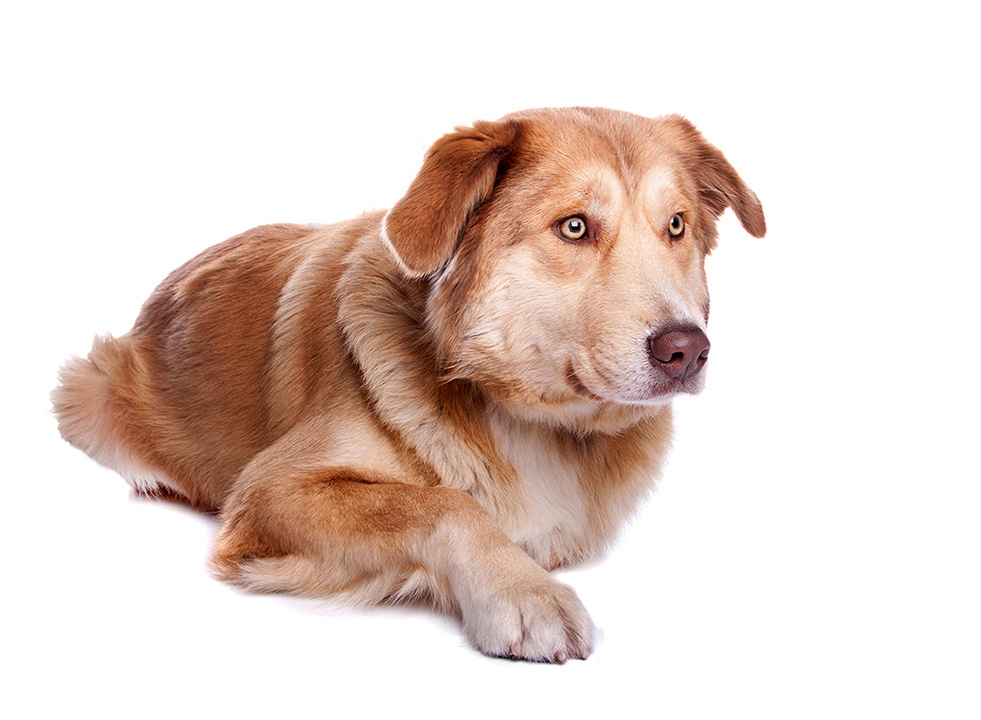
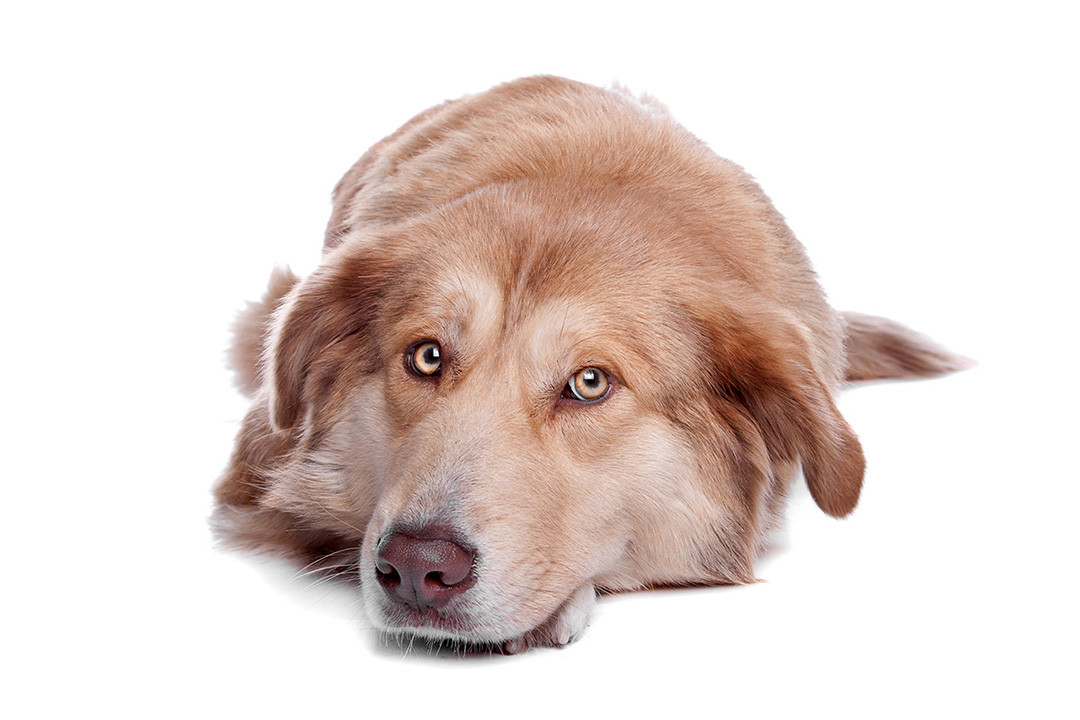
Аиди - сильная, крепкая, храбрая собака, отличающаяся мощью и подвижностью.Очень мускулистая, физически развитая, крепко скроенная, но без громоздкости, с густым, пушистым хвостом. Густая шерсть является своеобразной броней, которая защищает собаку в битвах с шакалами и другими хищниками, а так же защищает собаку в горах как от солнца, так и от холода. Живой, прямой и решительный взгляд гармонично вписывается в общий облик аиди, главная задача которого - защищать и охранять. В отдельных районах Марокко принято купировать рабочим собакам уши и хвосты.
Отличительная особенность породы Аиди (Атласская овчарка)
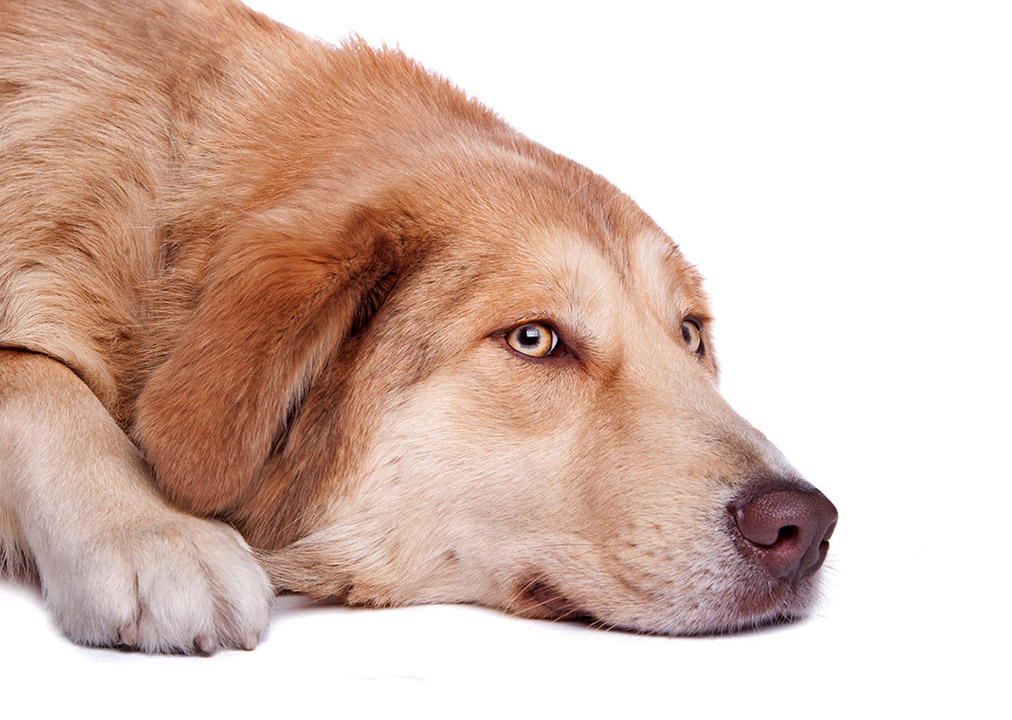
Голова у атласских собак пропорциональная, медвежьего типа голова конической формы, с почти незаметным переходом к морде.
Черепная часть плоская и широкая, с незначительной лобной бороздой.
Морда тоже имеет форму конуса, она немного короче черепа – в соотношении 5 к 6.
Челюсти у аиди сильные, губы сухие и плотные, нос довольно широкий, с хорошо открытыми ноздрями.
Губы и мочка носа коричневые или черные, в зависимости от цвета шерсти.
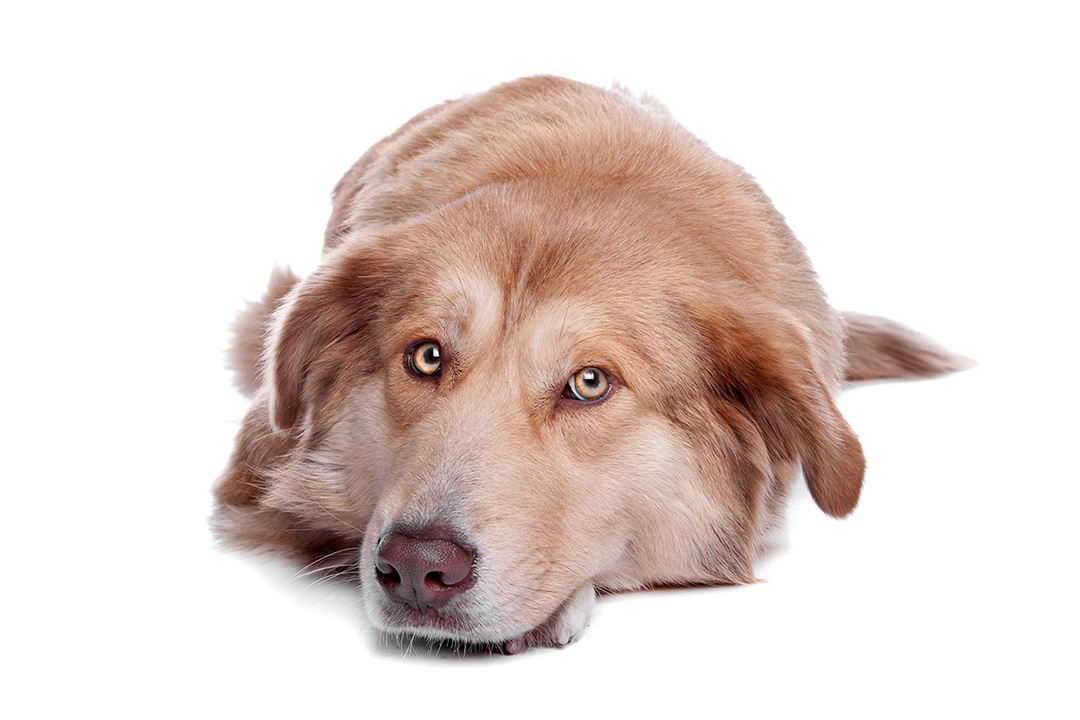
Глаза темные, различных оттенков в тон с шерстью, хорошо пигментированные веки у светлых собак кажутся подкрашенными.
Уши среднего размера полувисячие с слегка закругленными кончиками посажены наискосок, так что верхняя часть головы полностью открыта. Когда собака прислушивается, уши поворачиваются вперед.
Шея крепкая, без подвеса.
Тело собаки мощное и мускулистое, с широкой спиной и грудью, со слегка подтянутым животом.
Передние и задние конечности крепкие, бедра мускулистые, но не загруженные, умеренно выпрямленные. Углы сочленений: коленный сустав и скакательный сустав тупые, что придает приподнятое положение крестцу и делает его выше уровня холки. Прибылые пальцы удаляются.
Лапы округлые, подушечки упругие, когти сильные, их окрас меняется в зависимости от окраса шерсти.
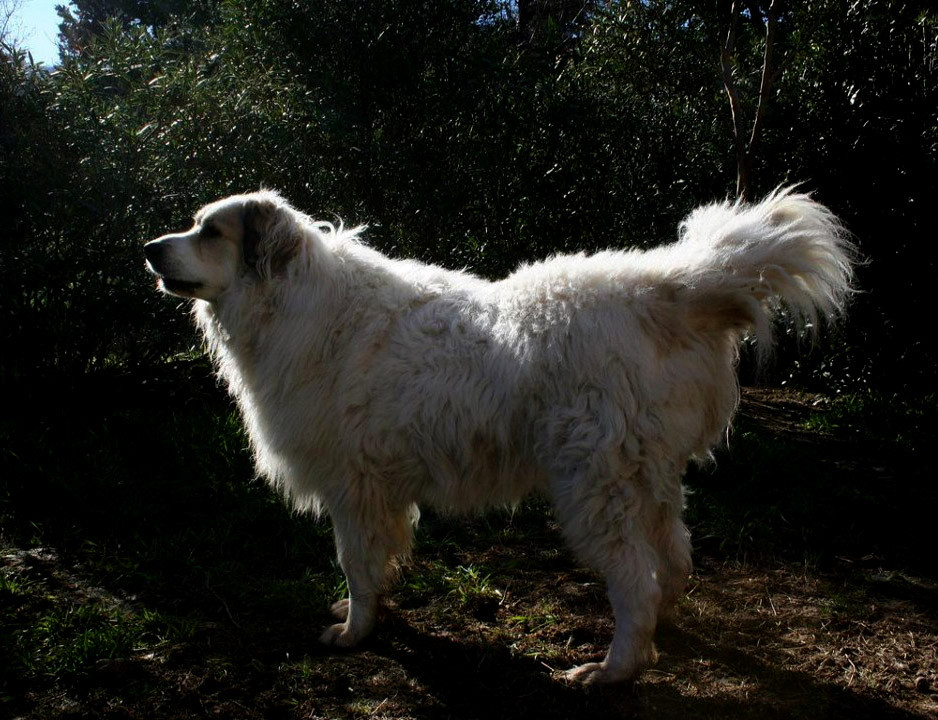
Хвост длинный и пушистый, в покое опущен и лишь слегка загнут, при движении весело поднимается, но не должен закидываться на спину.
Шерсть на всем теле очень плотная длиной до 6 см, за исключением морды и ушей, где она короче и не такая густая. На шее и под горлом – обильная густая шерсть, образующая гриву, особенно объемную у самцов. Ягодицы и хвост покрыты очень густой и длинной шерстью, причем именно обилие шерсти на хвосте говорит о чистопородности аиди. Густая шерсть надежно укрывает этих собак от непогоды и служит защитой при схватке с противником.
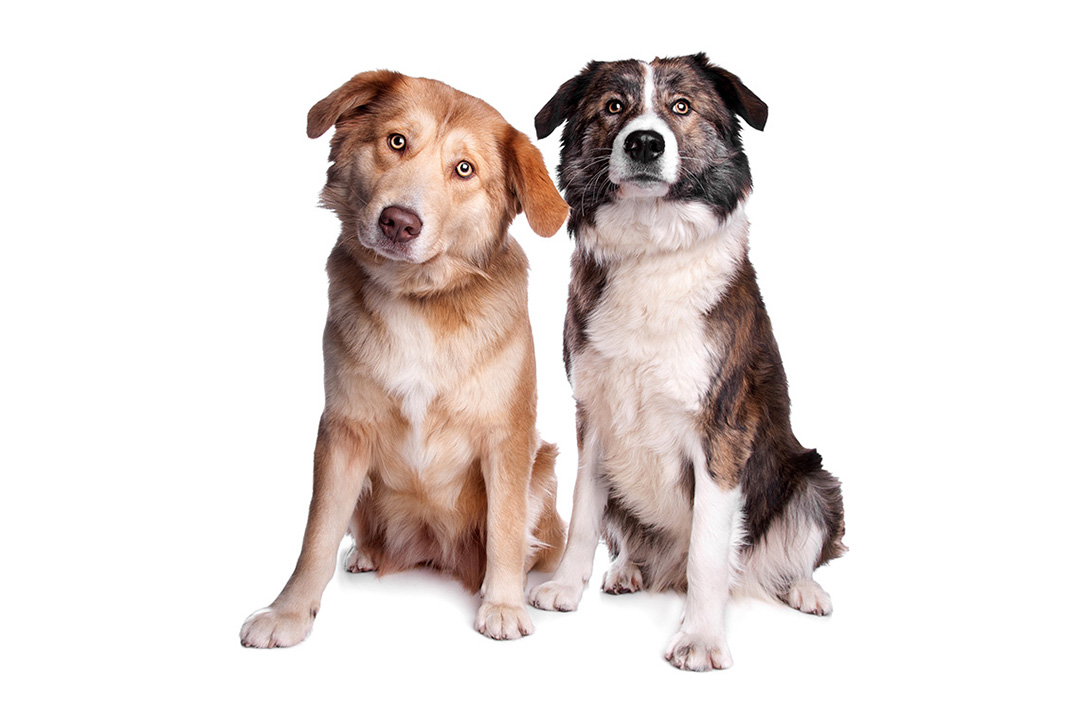
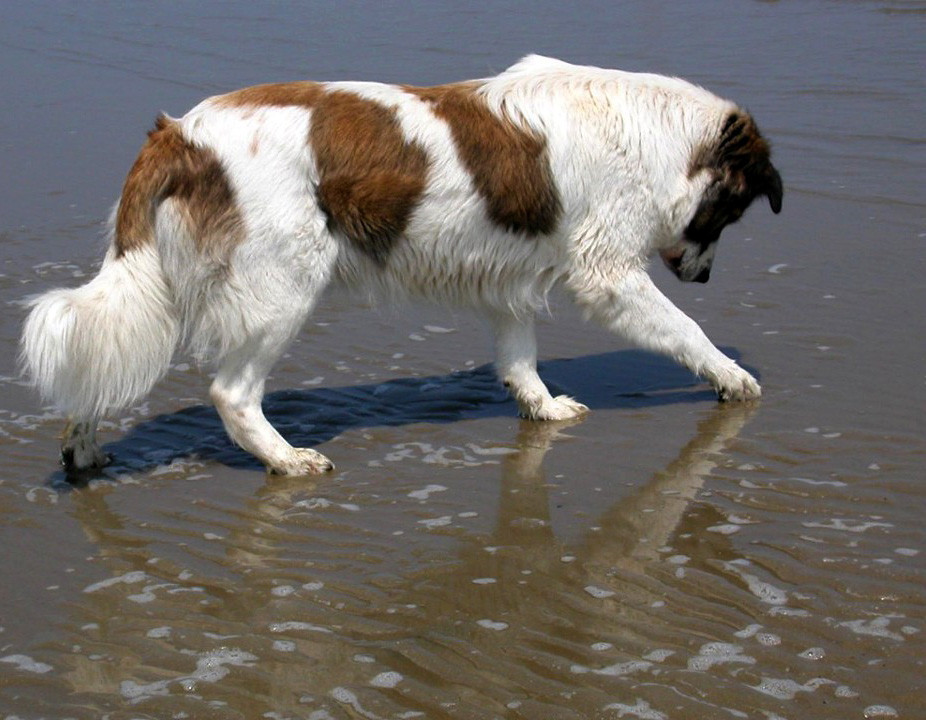
Окрас может быть самым разнообразным: песчаный, палевый, белый, рыжий, тигровый, белый с черным, белый с рыжим и наложением черного, трехцветный.
Основные аллюры - шаг, рысь, галоп. Движение аиди не должно быть подобно лошадиному, онодостаточно размашистое. Природный аллюр у аиди - шаг, короткий, почти рысью, след в след. Когда аиди передвигается природным аллюром, создается впечатление, что собака неутомима и может бежать бесконечно, не останавливаясь.
Размер - высота в холке 53-65,5 см.
Масса тела около 25 кг.
Характер
Аиди, как все сторожевые собаки, всегда осторожны и бдительны, но к своей человеческой семье очень привязаны. Несмотря на мнение, что эти собаки могут быть опасны для детей, это не так и при правильном воспитании аиди с ними очень ласковы. И для детей этот питомец может стать отличным компаньоном, если его правильно воспитали. Это и не удивительно, ведь на протяжении веков эти собаки жили рядом с людьми и привыкли общаться с детьми. Другими чертами характера атласской овчарки являются следующие: уживчивость, доброжелательность, ласковость, послушность, независимость и самостоятельность. Аиди очень энергичны и не терпят бездействия, и несмотря на то, что они послушны и преданны, им нужны постоянные занятия, которые дадут пищу уму и выход неистощимой энергии. О великолепной обучаемости и уравновешенности аиди говорит тот факт, что во Франции их начали готовить в качестве собак-поводырей.
Кусают эти собаки редко - основная их функция - отогнать чужака от стада или жилища и предупредить хозяина об опасности.
Содержание и уход
Густая шерсть аиди линяет два раза в год, в это время ее надо вычесывать особенно часто, для этих целей отлично подходит фурминатор. В период между линьками достаточно еженедельного вычесывания. Атласские собаки неплохо чувствуют себя в квартире при условии, что в течение дня у них есть работа или интересное занятие - для этого подходят прежде всего интенсивные прогулки, с занятиями и физическими нагрузками. Тем не менее, лучше содержать аиди в сельской местности или в частном доме с огороженной территорией. Собаки этой породы полны энергии, поэтому для них недопустимо бездействие, и, несмотря на их преданность и послушность, им требуются регулярные занятия, в которых они и найдут выход своей энергии. В период воспитания к собаке следует быть предельно чутким. С раннего возраста ее рекомендовано приучать к общению с иными животными. Дрессировке собака поддается, но у новичков могут возникнуть некие трудности, поэтому ее лучше заводить собаководам с опытом. Собаки по типу своего пищеварения приспособлены к перевариванию именно пищи белкового происхождения. Поэтому основой рациона должны стать мясо и субпродукты с добавкой овощей или фруктов.
Продолжительность жизни — 10-12 лет.
Достоинства
Отлично приспособлены как к жаркому климату пустыни, так и к холодному в горах.
Обладают превосходным чутьем.
Собака считается неприступным охранником, мгновенно реагирует в опасной обстановке, не давая шансов неприятелю.
Некрупная вынослиая собака, при должном воспитании отличный компаньон для долгих прогулок, катания на велосипеде, лыжах, роликах.
Сложность содержания
Справиться с независимым и самостоятельным характером аиди может только опытный владелец.
Собаку нужно с раннего возраста приучать к общению с другими животными, а во время дрессировки нужно проявлять немало чуткости, настояйивости, но не жестокости.
Требует обязательных занятий дрессировкой и хорошего выгула с подвижныим играми.
Болезни
Атласские овчарки обладают отличным здоровьем. Эти собаки не только физически крепкие, но и с устойчивой психикой. У них замечательный иммунитет, выработанный посредством длительного проживания в горах. Наследственные заболевания не выявлены. Это связано с тем что на родине аиди пары для разведения отбирают исключительно по рабочим качествам и больное и даже недостаточно выносливое животное не будет допущено до разведения.