История возникновения
Другие названия: таксообразный бракк или альпийская барсучья гончая, альпина таксбракке. История породы альпийского таксообразные гончей достигает давних времен , когда таких низкорослых собак начали использовать для охоты. Причём для охоты именно в Альпах потребовалась собака крупнее чем все известные таксообразнеы собаки, именно это и побудило местных охотников вывести свою породу. Известно , что в конце XIX в . по приказу австрийского кронпринца Рудольфа Габсбургского альпийские таксообразные бракки были завезены в Турцию и Египет. К 1975 название породы звучало как альпийская горная таксообразная гончая , а с 1991 та порода включена в классификацию FCI .
За пределами Австрии и, конечно в России порода практически не известна.
Общий вид
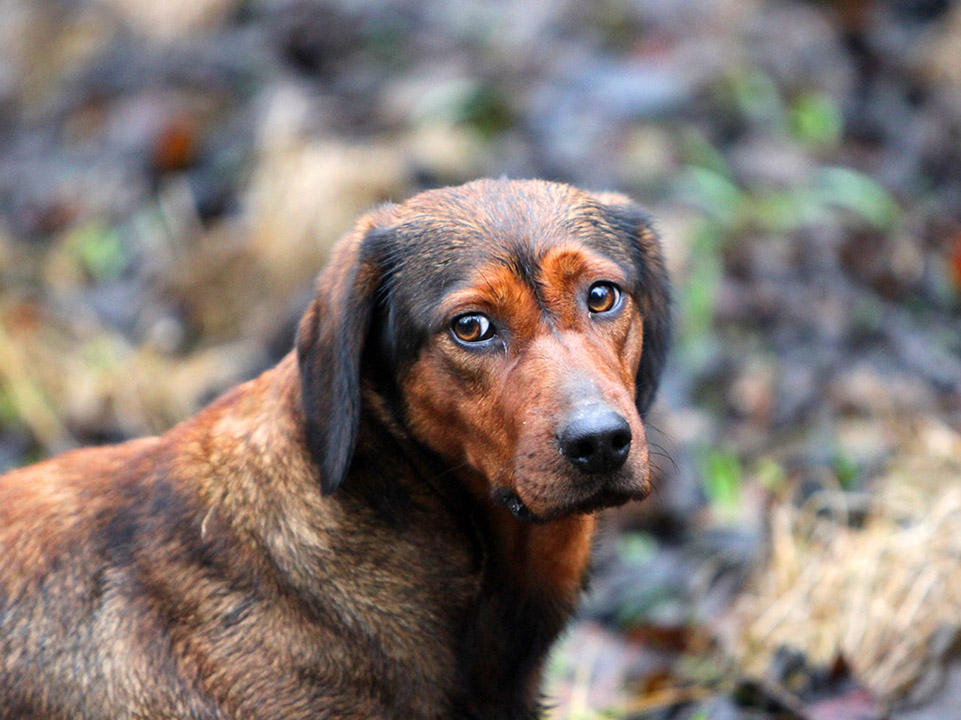
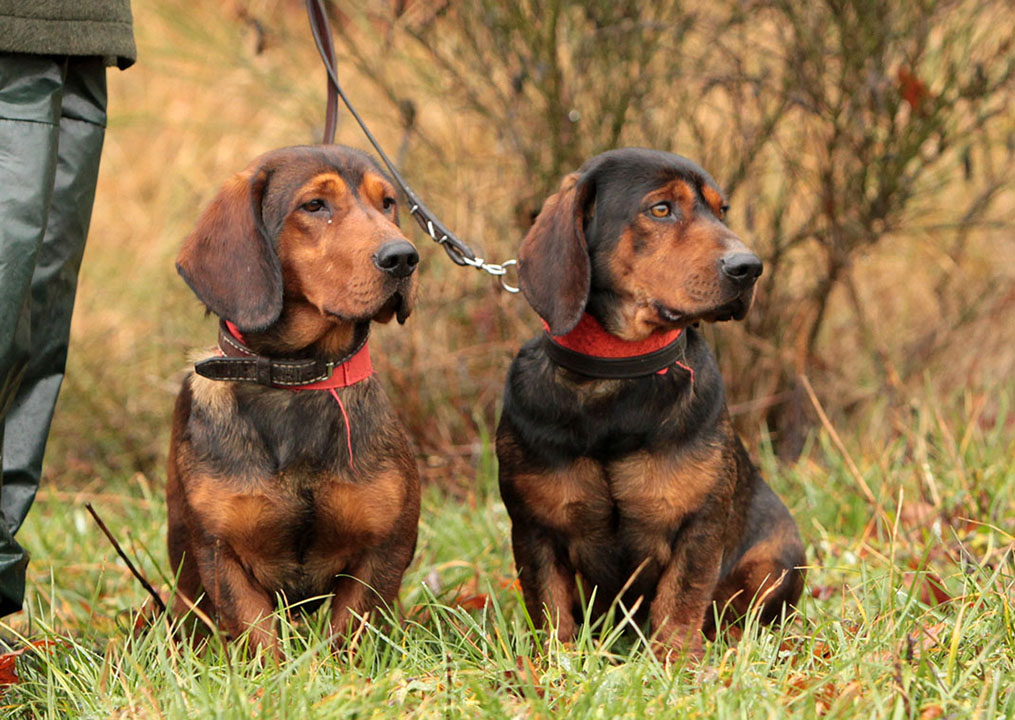
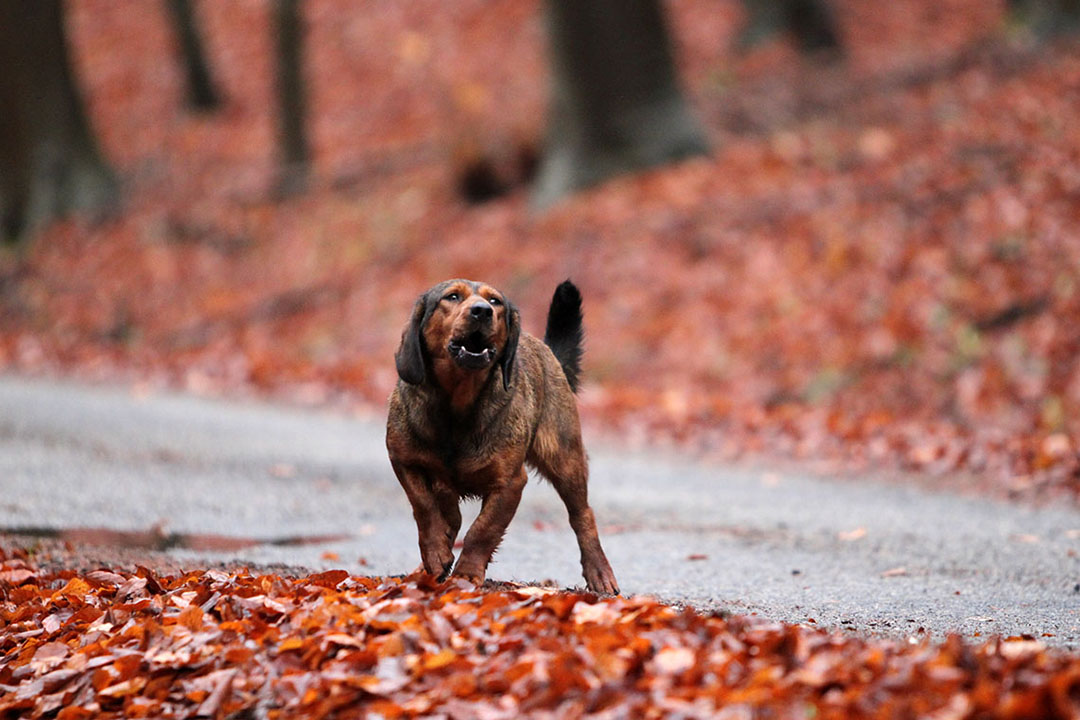
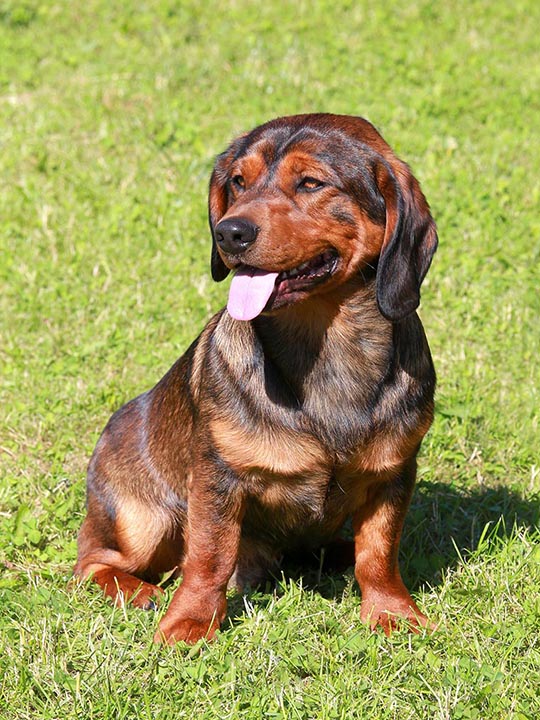
Коротконогая собака с удлиненным корпусом и широкими висячими ушами . У неё длинная голова с маловыразительным переходом от лба к морде и прочная шея . Холка заметно выступает над прямой длинной спиной , ребра собаки округлые , а живот сильно подтянут. Округлый скошенный круп завершается саблевидным хвостом средней длины с очёсом, как правило он вздернут вверх. Характерно , что передние конечности таксообразного бракка меньше, чем задние .
Отличительная особенность породы Альпийская таксообразная гончая
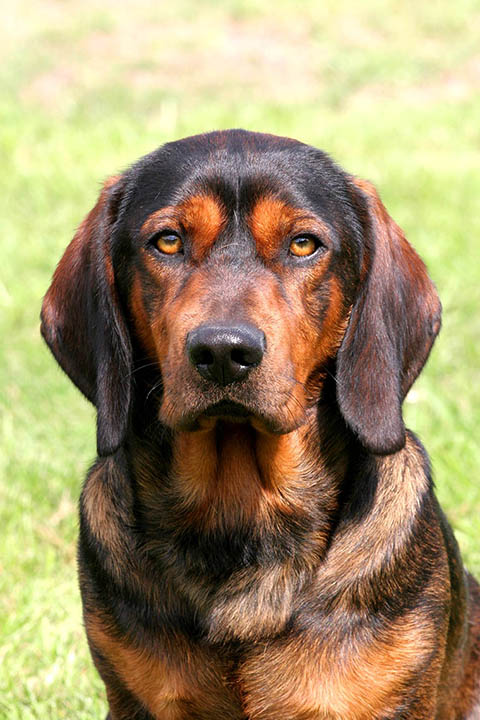
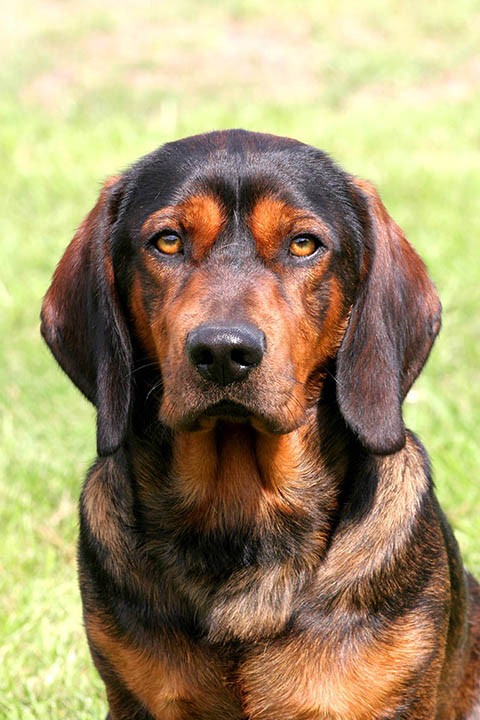
Голова длинная, слабовыраженный переход лоб-морда.
Морда широкая с тонкими губами.
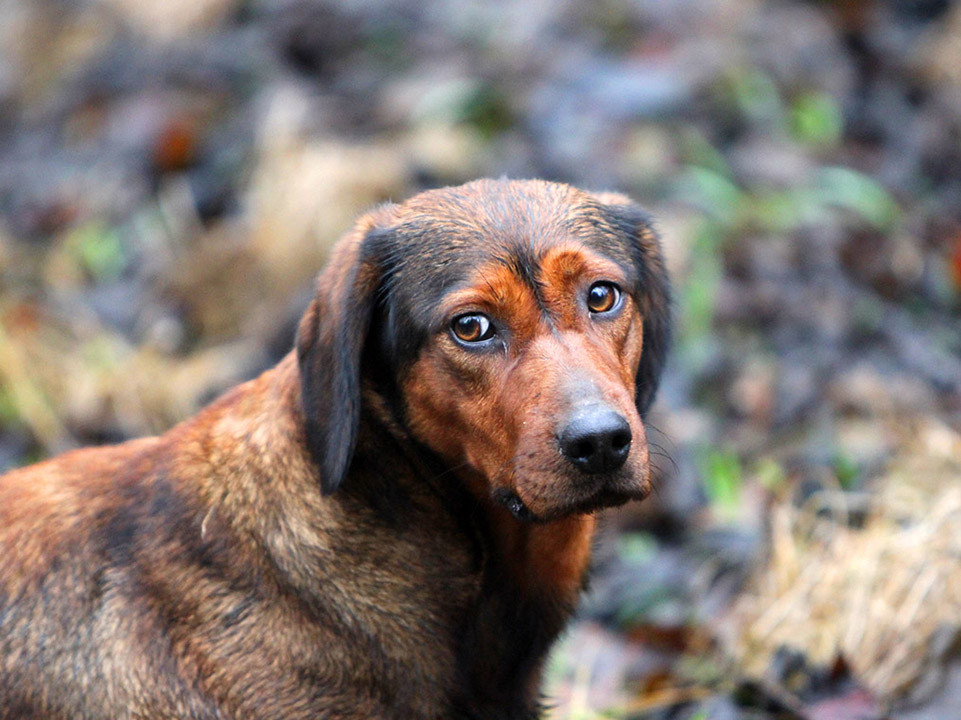
Глаза круглые, среднего размера. Светло-карие или темно-карие.
Уши средней длины, достаточно широкие, висящие.
Шея мускулистая, подвес отсутствует.
Туловище длинное, выступающая холка и выпуклые ребра.
Спина прямая, плотная с широкой поясницей.
Живот сильно подтянут.
Конечности короткие и мускулистые, задние лапы длиннее передних.
Хвост средний по длине, у основания толстый, саблевидный, с небольшим очёсом.
Шерсть густая и короткая, достаточно грубая и плотно прилегающая к телу, подшерсток редкий.
Окрас - самыми распространенными вариантами его являются рыжеватый, красноватый и черно-подпалый. Стандартом не признаются белые пятна на теле гончей, а также шоколадный, черный и серый с голубым окрасы её шерсти.
Движения плавные и энергичные, с размашистым шагом не слишком поднимающихся вверх передних ног, сильный толчок задних конечностей должен производить легкую упругую передачу к спинной линии. Хвост должен держаться в гармоничном продолжении линии спины, слегка опущенным. Передние и задние ноги двигаются параллельно.
Рост кобелей 37-38 см, сук 36-37 см.
Вес 15—18 кг.
Характер
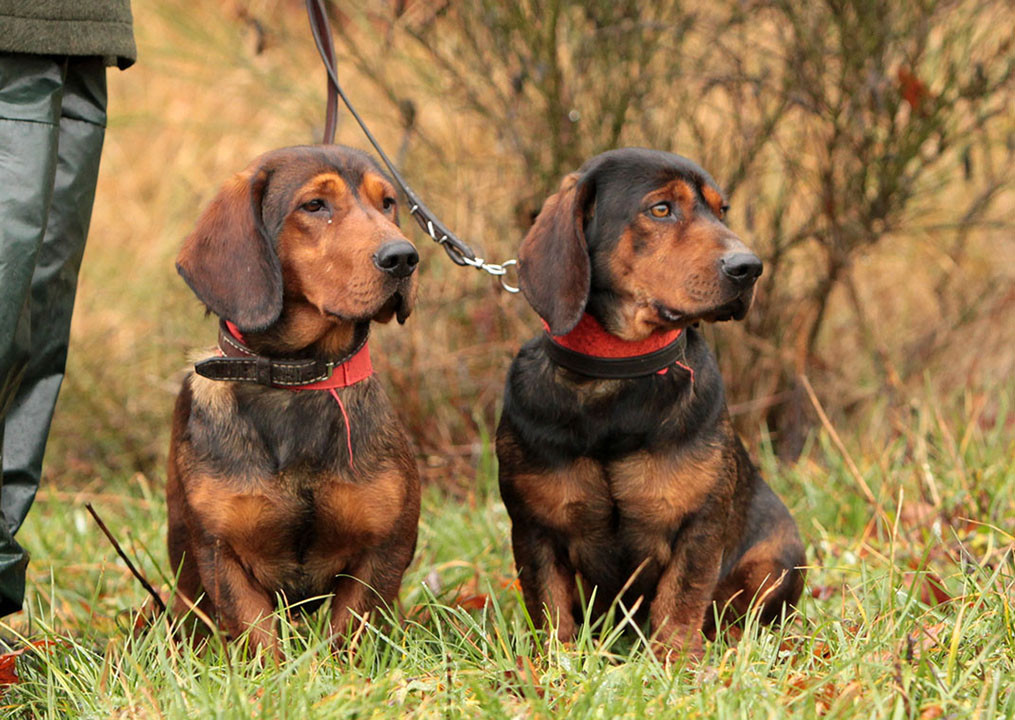
Альпийская таксообразная гончая имеет уравновешенный характер. Она спокойна, бдительна, послушна. Это настойчивая, подвижная собака, обладающая огромной выносливостью. Сдержанная, гордая и с независимым нравом. Упорный и воинственный на охоте, таксообразный бракк ласков и предан хозяину. Собаки подходят для охотников, имеющих возможность регулярно использовать их на охоте и обеспечивать их соответствующими нагрузками.
Содержание и уход
Уход за низкорослыми альпийскими бракками довольно стандартный. Их большие уши нуждаются в своевременной очистке, а когти - регулярном укорочение. Короткая шерсть не требует значительных усилий для поддержания хорошего вида, можно лишь ежедневно её расчёсывать, в линьку это делают чаще. Купать эту собаку следует по необходимости, раз в сезон применяя сухой шампунь, а в остальное время - мягкое мыло. В еде неприхотлива. Стандартная дневная норма мясных продуктов для собак с таким весом составляет 200-300 г. Кроме постного мяса, целесообразно предлагать гончей субпродукты, в частности, богатые полезными веществами рубец. Около 200 гр овощей, фруктов, ягод обеспечат ее клетчаткой и витаминами. Можно давать так же кисломолочные продукты-творог или кефир.
Альпийские таксообразные бракки отличаются излишней резкостью, причем не только по отношению к другим животным, но иногда и к человеку. Обращаться с ними следует предельно осторожно, хотя при правильной дрессуре они весьма дружелюбны. Они приветливо встречает гостей и общаются с ними. К другим домашним животным обычно быстро привыкает. К незнакомым относится с настороженностью. В отношении сородичей своего пола может проявлять агрессию.
Продолжительность жизни — 10-12 лет.
Достоинства
Альпийский бракк - талантливый охотник.
Он прекрасный друг и хороший компаньон.
Неприхотлив в кормлении и содержании.
Сложность содержания
Требует физических нагрузок.
Очень желательно вывозить бракка на охоту.
Болезни
Хотя у собак этой породы крепкий скелет и выносливый организм, слабым местом приходится признать опорно-двигательный аппарат, этому виной частично строение этих собак- длинное тело на коротких лапках. У альпийских таксообразных гончих часто встречается вывих коленной чашечки и заболевания позвоночника, в частности, дегенеративные изменения межпозвоночного диска (приводит к параличу). В зоне риска так же зубы собаки, склонные к различным заболеваниям. Висячие уши обусловливают появление и осложняют течение воспалительных процессов - отитов, для лечения обязательно делают подтитровку антибиотиков. В лечении альпийской таксообразной гончей собаки следует помнить о возможной чувствительности к анестезии.