История возникновения
Все спаниели, в том числе и порода английский кокер спаниэль, произошли от завезенной несколько столетий назад в Англию породы спаниелееобразных собак из Испании (длинношерстная испанская собака). Причем, разделение на разные состоялось лишь много веков спустя, поэтому доподлинно не известно, когда именно появились английские кокеры. Очевидно одно - применялись эти собаки для охоты, изначально отбор вёлся исключительно по рабочим качествам, но позже, когда в моду вошли выставкик собаки, английкие коккер-спаниэли стали активно выставляться и отбор про рабочим качествам перестал вестись, главным стали считаться выставочные достижения.
Общий вид
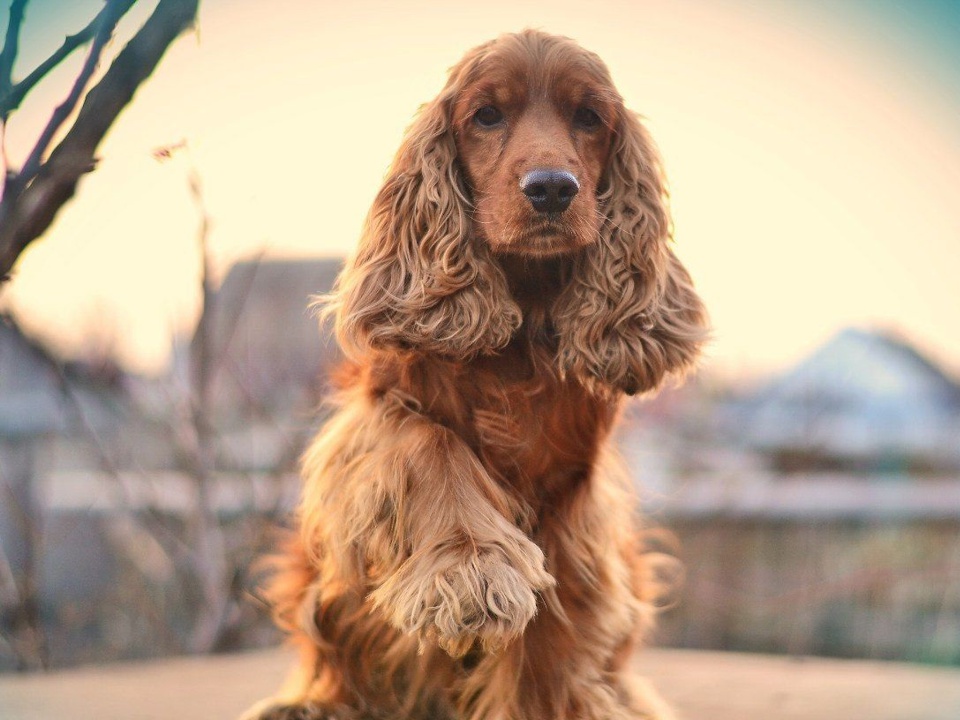
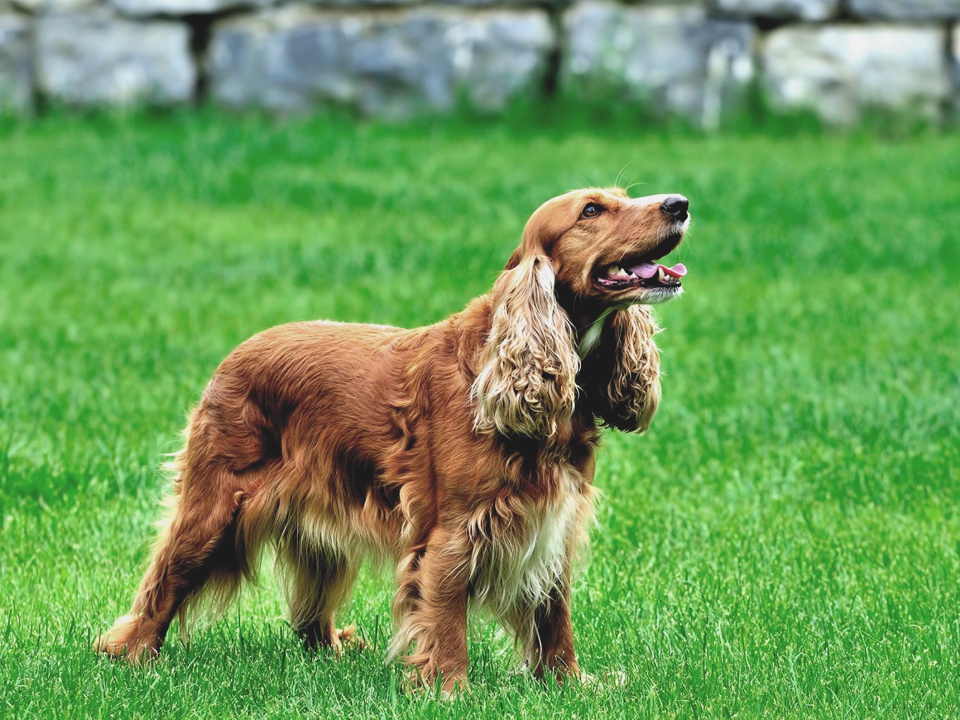
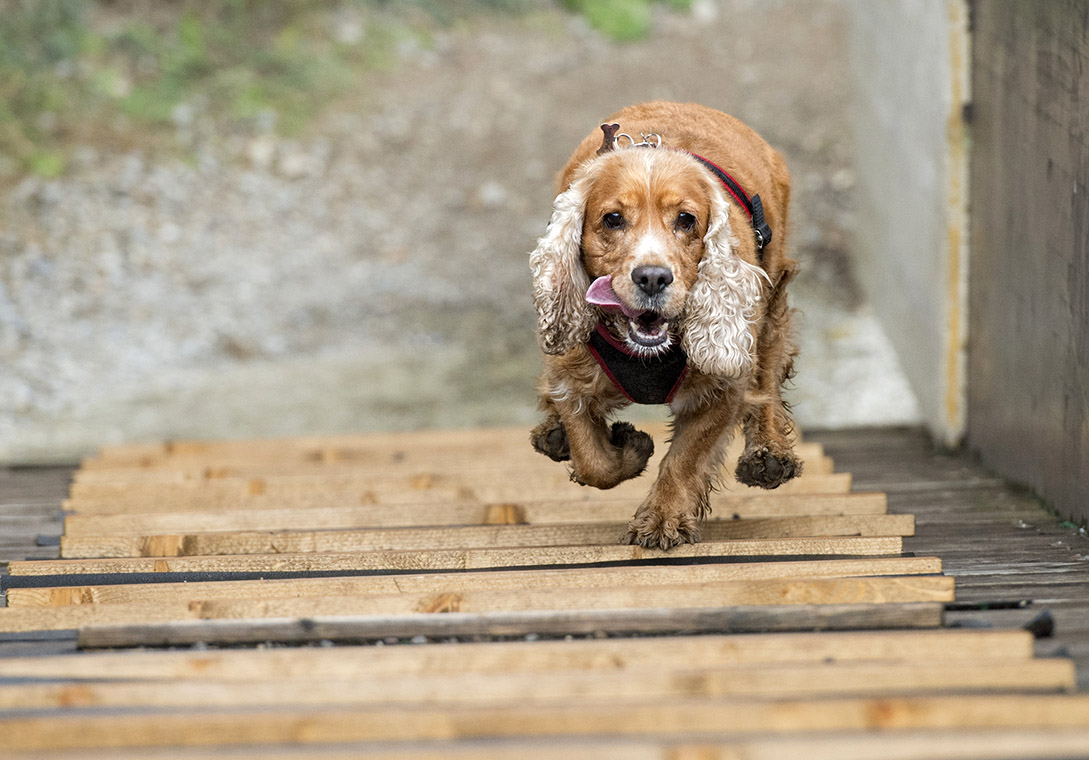
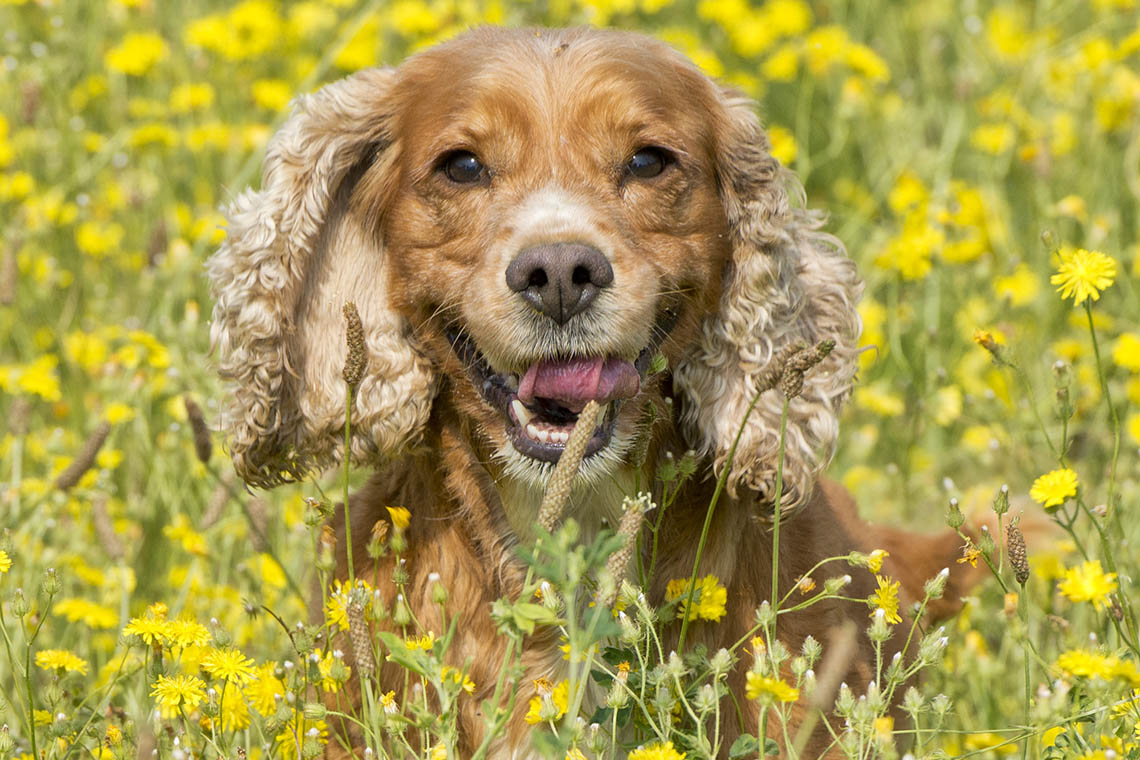
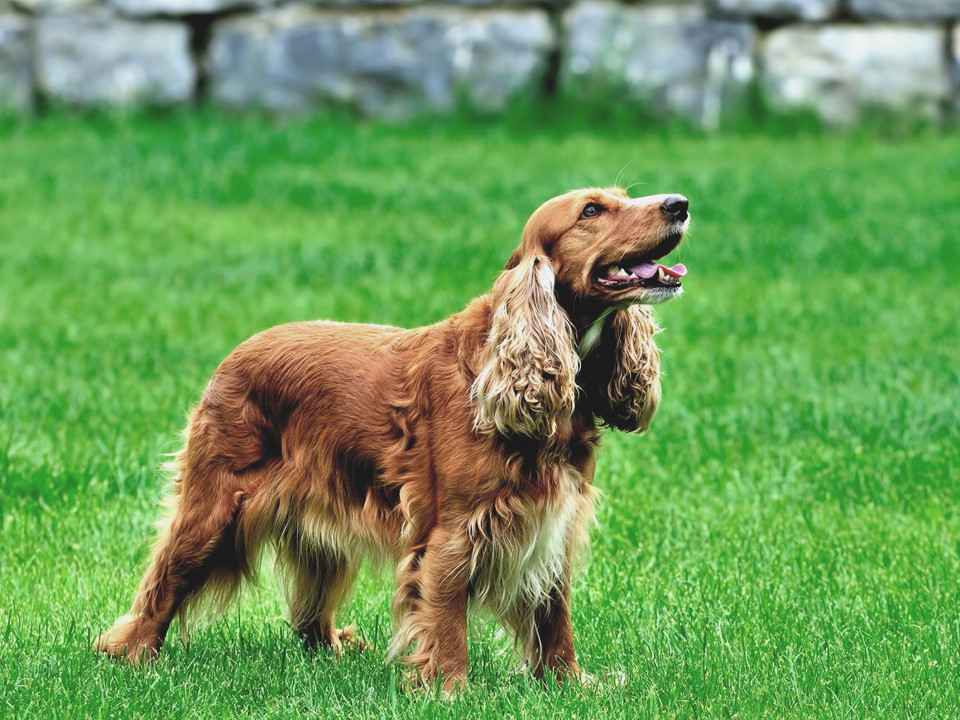
Английский кокер спаниэль это весёлый, крепкий, спортивный; гармоничный, компактный пёс. Его весёлый нрав и общительность делает его прекрасным компаньоном, а хорошая выносливость, доставшаяся от охотящихся предков, сделала его прекрасным компаньоном на прогулках.
Отличительная особенность породы Английский кокер спаниель
Череп массивный, классических линий, не слишком узкий, но и не слишком широкий. Черепная коробка хорошо развита, чётко очерчена, ни чересчур изящная, ни слишком грубая. Переход от лба к морде отчётливый, расположен на полпути от кончика мочки носа до затылка.
Нос прямой с достаточно крупной для тонкого чутья мочкой.
Морда с тупым обрезом. Губы тонкие и плотно прилегающие.
Зубы сильные, с совершенным, правильным и полностью ножницеобразным прикусом, то есть верхние зубы плотно перекрывают нижние зубы и стоят перпендикулярно челюстям.
Скулы не выступают.
Глаза крупные, но не выпуклые. Тёмно-коричневые или коричневые, ни в коем случае не светлые, но в случае коричневых, коричнево-крапчатых и коричнево-пятнистых окрасов — тёмно-ореховые, гармонирующие с рубашкой; с выражением ума и доброты, но внимательные, блестящие и весёлые; окантовка тёмная.
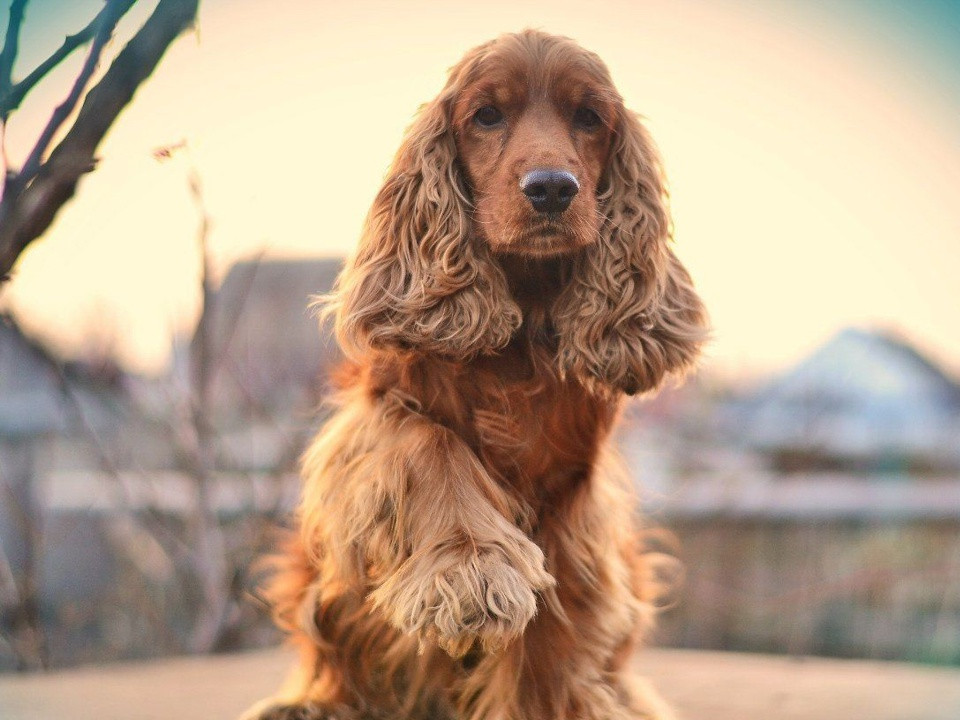
Уши висячие, посажены низко, на уровне глаз. Тонкое ушное полотно достигает кончика мочки носа. Хорошо одеты длинной, прямой, шелковистой шерстью.
Шея средней длины, мускулистая.
Горло чистых линий.
Корпус с ровной, мягко ниспадающей к основанию хвоста от поясницы, крепкой линией верха.
Спина компактная, массивная.
Поясница короткая, широкая.
Круп крепкий, округленный.
Грудь хорошо развитая и с глубокой передней частью; ни очень широкая, ни слишком узкая спереди.
Ребра хорошо изогнуты.
Передние конечности костистые, прямые, достаточно короткие для концентрации силы. Не слишком короткие, чтобы не мешать неимоверным усилиям, ожидаемым от этой превосходной спортивной собаки. Плечи косые и изящные. Лопатки косо поставлены, мускулистые, плотно прилегают к спине. Пясти слабоватые, короткие, почти отвесные.
Задние конечности костистые, имеют отлично выраженные углы сочленений. Бедра широкие, хорошо развитые, обеспечивающие мощность движений Колени с хорошо выраженными углами сочленений. Плюсны короткие, позволяющие мощный толчок. Лапы крепкие, с толстыми подушечками, кошачьи.
Хвост посажен несколько ниже линии спины. Должен быть весёлым в движении и держаться горизонтально, ни в коем случае не задираться. Обычно купирован, но никогда слишком коротко, чтобы быть скрытым, ни чересчур длинно, чтобы мешать непрестанному весёлому движению во время работы.
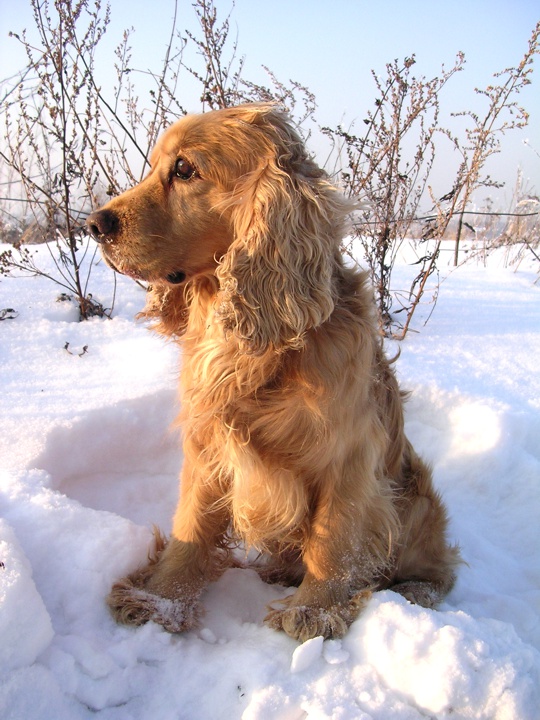
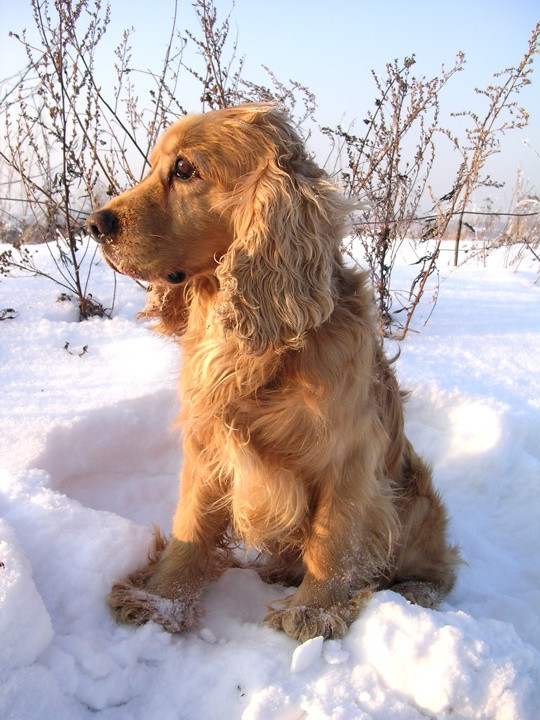
Шерстный покров прилегающий, шелковистой структуры, ни в коем случае не проволокообразный и не волнистый, не слишком обильный и никогда не курчавый. Хорошо выражены очёсы на передних ногах, колодке и задних конечностях выше скакательных суставов.
Окрас разнообразный. При сплошном окрасе не допускаются белые отметины, кроме как на груди.
Движения правильные при любом темпе, с огромной энергией покрывающие пространство.
Рост кобелей 30-36 см, сук – 25-30 см.
Вес кобелей 6-10 кг, сук – 6-8 кг.
Характер
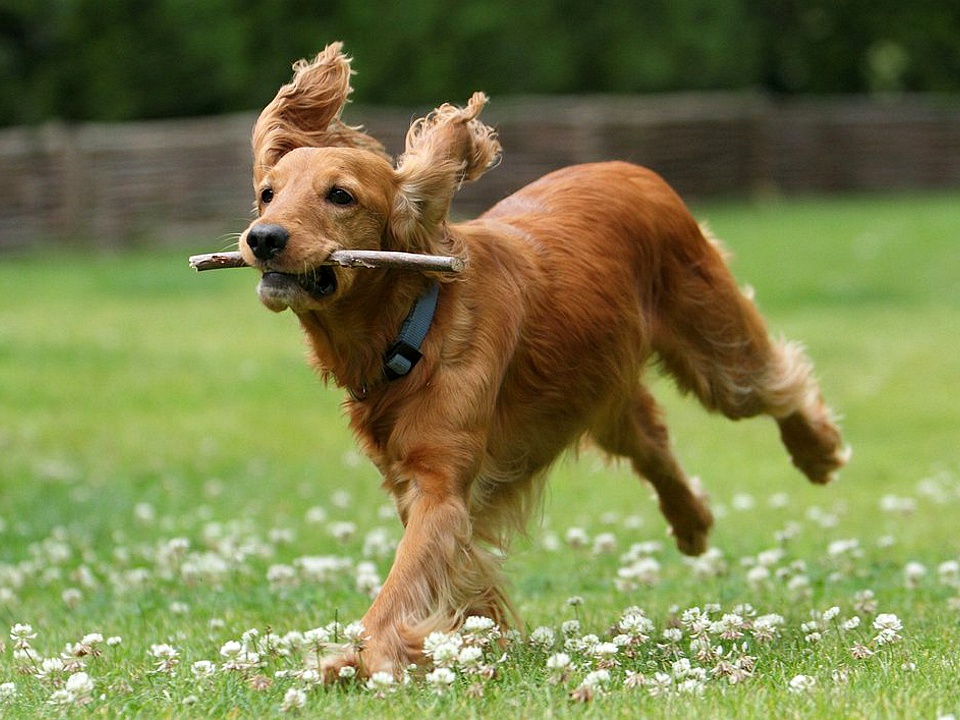
Английские кокер спаниели это дружелюбные оптимисты, полные энтузиазма. Как правило, они послушны и хорошо обучаемы. Английские кокер спаниели прекрасные компаньоны, готовые к общению и играм с собаками, кошками и другими домашними животными, а так же, конечно, со своими хозяевами.Если английский кокер спаниель растет вместе с кошкой, то у них часто возникают очень тесные взаимоотношения, любовь и взаимопонимание.
Кокер спаниели очень активные собаки, особенно в молодости, их нельзя держать без движения, им необходимы физические нагрузки-долгие прогулки. Любят плавать.
При правильном воспитании и породной психике прекрасно общаются с детьми.
Они нуждаются в постоянном контакте с людьми и без достаточного внимания, у них могут появиться плохие привычки, такие как чрезмерный лай, разрушение квартиры и другие, что может стать проблемой для хозяина. Необходимость в большом количестве внимания делает из этих собак достаточно требовательных питомцев, поэтому некоторым людям они могут показаться навязчивыми.
Содержание и уход
Английские кокер спаниели требует регулярного ухода. Их длинная, шелковистая шерсть подвержена спутыванию, что легко не допустить, если расчесывать своего кокер спаниеля ежедневно или, самое большее, через день, к тому же у него всегда будет опрятный внешний вид. Эту породу можно часто купать и обычно им нравится этот процесс. Глаза и уши кокер спаниель нуждаются в особом уходе. Глаза должны быть тщательно очищены с помощью ватного диска со специальным средством - регулярный уход за глазами поможет избежать инфекции. Уши чистить следует регулярно, лучше раз в неделю с применением специального лосьона. Так же английскому кокер спаниелю необходимо чистить зубы, так как они склонны к образованию зубного камня и как следствие пародонтозу. У многих спаниелей плохо стачиваются когти, поэтому их нужно регулярно стричь. Ввиду того что кокер спаниели активные собаки им необходимы ежедневные прогулки. Несмотря на то, что они могут мириться с непродолжительными периодами бездействия, лучше этого не допускать, так как нерастраченную энергию они могут расходовать на погромы в квартире и лай. Сохранить физическую форму английскому кокеру спаниелю помогут ежедневные прогулки и энергичные игры с мячиками и фрисби. Многие спаниели склонны к подбиранию на улице, а так же к побегам, поэтому очень желательно пройти со спаниелем курс послушания на дрессировочной площадке-подойдёт курс ОКД. Ввиду длинной шерсти, длинным ушам и приземистому формату со современными шоу-спаниелями не охотятся, не подходят они и для занятий кинологическими видами спорта, а используются как компаньоны или собака для выставок.
Продолжительность жизни — 14-16 лет.
Достоинства
Дружелюбны, сильно привязываются к хозяину.
Хорошо уживаются с другими домашними животными, в том числе с собаками.
Хорошие компаньоны для неспешных прогулок.
Сложность содержания
Сильно линяют.
Растеряли свои рабочие качества.
Склонны к отитам, аллергиям, пародонтозу.
Сколонны к ожирению.
Трудный уход за шерстью.
Болезни
Английские кокер спаниели предрасположены к следующим заболеваниям: мочекаменная болезнь (хроническое заболевание мочеполовой системы, характеризующееся скоплением камней в почках или мочевом пузыре, для лечения требует коррекции рациона, крупные камни убирают оперативным путём); хронический гепатит (воспаление печени); пищевая аллергия (чаще всего возникает на курицу, проявляется сыпью, отитами, зудом, лечится антигистаминными препаратами и коррекцией рациона); меланома (злокачественная опухоль кожи, не лечится); дисплазия тазобедренного сустава (заболевание, характеризующееся неправильным развитием тазобедренного сустава, выражается в хромоте различной степени тяжести, причина генетическая или неправильное выращивание (прежде всего перекорм щенка в период роста), лёгкие степени лечатся оперативно, возможна медикаментозная поддержка); эпилепсия (заболевание головного мозга, характеризующеся судорогами, легкие степени поддаются медикаментозной терапии); гипотиреоз (недостаточная секреция гормонов щитовидной железы, возможно лечение введением тиреотропных гормонов); отит (воспаление уха, лечится антибиотиками после подтитровки). Так же часто встречаются такие глазные болезни, как катаракта (помутнение роговицы глаза); глаукома (повышение внутриглазного давления); прогрессивная дегенерация сетчатки (ведёт к полной слепоте, не лечится).