Классификация
Отряд — Чешуйчатые (Scugmata).
Семейство — Ужеобразные (Boopis).
Род - Лазающие полозы (Elaphe.
Вид - Амурский полоз (Elaphe schrencki).
Подвиды - E. s. schrencki – номинативный подвид, E. s. anomala – ненормальный полоз Шренка, Sudliche Amurnatter – этот подвид некоторыми систематиками выделяется в самостоятельный вид.
Ареал обитания
Обитает E. s. schrencki в России - Амурская область, Хабаровский и Приморский край, а так же в КНДР - Северо-восточный Китай: провинции Хэйлунцзян и Гирин. Изреда встречается в Восточной Монголии и Автономном районе Внутренняя Монголия в Китае. E. s. anomala обитает в КНДР и Южной Корее, Китае.
В зонах интерградации подвидов возможны межподвидовые гибриды.
Обитает преимущественно в лесных биотопах, в горах до 2000 м над уровнем моря, в поймах рек и ручьев, болотистых участках, кустарниковых зарослях, полях, на окраинах поселков и городов, в парках и садах, а также в огородах.
Внешний вид
Размеры амурский полозов немного различаются в зависимости от подвида - E. s. schrencki до 130-160 см в длину, максимум 170 см, а до E. s. anomala – 150-180 см, максимум 210 см.
Половой диморфизм выражен слабо, принципиальных различий в размерах и окраске самцов и самок не существует. У самцов хвост длинный с характерным утолщением у основаня, от анального отверстия он цилиндрический, затем переходит в конусовидную форму. У самок хвост короче, без утолщения у основания, конусообразный на всём протяжении.
Характер
Типичный дневной вид, активен в утренние и вечерние часы, жаркое время и ночь проводит в норах, дуплах и других укрытиях.
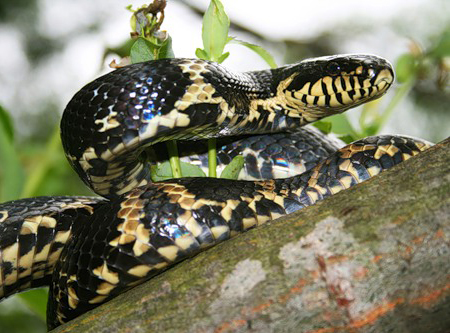
Наземный вид, но по деревьям поднимается на высоту до 10 м от земли, где охотится на птиц. Хорошо плавает.
За день способен преодолеть огромное для змеи расстояние до 8 км, но возвращается к своим индивидуальным участкам, которых придерживается в течение нескольких лет.
Содержание и уход
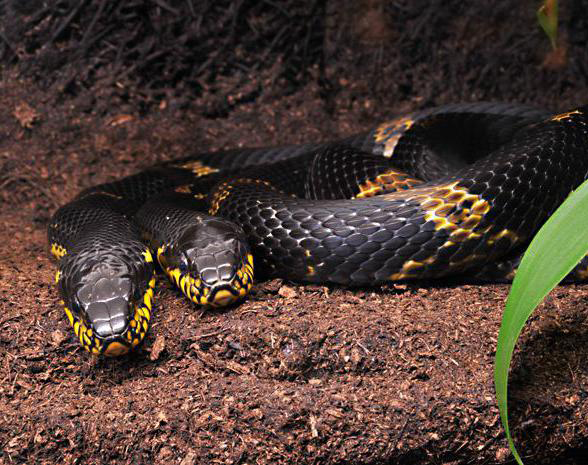
Террариум для амурского полоза должен быть просторным – 60х40х40 см. На дно стоит положить термоковрик, в качестве субстрата хорошо подходят кокосовые чипсы, в них можно замаскировать горшки с неприхотливыми растениями – лучше ароидными, типа диффенбахий, сциндапсусов, марант. Также необходимы коряги для лазания, очень подойдут коряги из виноградной лозы. Можно и просто положить грунт в террариум и в него посадить растения. Тогда поверхность можно покрыть мхом и опавшими листьями. Обязательна большая поилка, куда змея сможет уместиться целиком. Амурские полозы любят купаться, поэтому вода быстро загрязняется, и её необходимо менять ежедневно. Можно содержать нескольких полозов в одном террариуме, но тогда его размер стоит увеличить.
Температура воздуха от 20°C ночью до 35°C днём в точке прогрева.
Влажность воздуха невысокая, около 50%.
Освещение люминесцентными ультрафиолетовыми лампами и лампами накаливания. Продолжительность освещения летом 14 часов, в остальные сезоны 12 часов в день.
Кормление
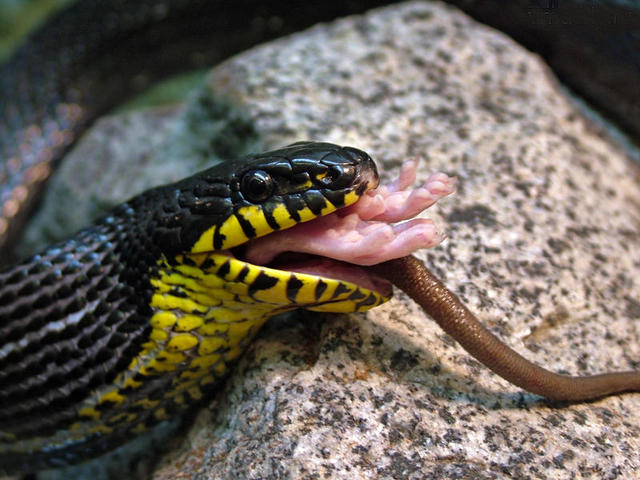
В природе амурские полозы питаются мелкими и средними млекопитающими, птицами и их яйцами, изредка лягушками. Молодые змеи питаются мелкими грызунами и насекомоядными, птенцами, моллюсками и лягушками.
В террариумных условиях амурских полозов кормят преимущественно лабораторными мышами, а также крысами, хомяками, цыплятами, перепелами, яйцами птиц. Молодым змеям предлагают новорожденных мышат.
Кормление производят обычно раз в пять дней, после того, как змея переварила предыдущие корма и опорожнилась.
Особенности
Неприхотливая в уходе и кормлении змея.
Не требует большого террариума.
Привыкает к рукам, ест корм из рук и разрешает взять себя на руки.
Несложна в содержании, подходит для новичка.
Неядовит, неагрессивен.
Болезни
Отказ от пищи может быть вызвано стрессом, неподходящим кормовым объектом, новым кормовым объектом, нетипичным для вида кормовым объектом, или змея просто не голодная. Не стоит сразу кормить змею насильно, ведь они достаточно долго могут прожить без еды без вреда для здоровья. Беспокоиться следует начинать, если змея не ест несколько месяцев. Тогда нужно проанализировать условиях содержания и рацион змеи до начала проблемы. В крайнем случае можно кормить змею искусственно.
Срыгивание может возникать из-за стресса, болезни, слишком большого кормового объекта, кормления во время линьки, нарушение температурного режима. После срыгивания нельзя кормить змею в течение 7 – 10 дней, потом стоит покормить змею снова с учётом анализа ошибок.
Линька – это не болезнь, а необходимый этап роста змеи. При этом глаза змеи мутнеют, окрас светлеет, а кожа начинает слезать. В этот период следует следить за влажностью в террариуме и наличия водоёма.
Респираторные инфекции – обычно их вызывают условно-патогенные бактерии в случае снижения иммунитета змеи в результате стресса из-за неправильных условий содержания. Симптомы – затруднённое дыхание, открытый рот, истечения из носа. Лечится антибиотиком – байтрилом, в инъекциях.
Пастбищные клещи – видны невооружённым глазом, легко удаляются пинцетом, место укуса протирается спиртом.
Сальмонеллёз – опасное заболевание, лечится антибиотиками после анализа кала и назначения лечения врачом.
Разведение
Яйцекладущий вид.
Половозрелыми амурские полозы становятся на 3-4 год жизни.
Для размножения обязательна зимовка. Для этого в течение двух-трех недель постепенно сокращается световой день, а при 8 -часовом дне змей прекращают кормить. При 4-часовом световом дне, отключают дневной подогрев, после чего полозов помещают в светонепроницаемый вентилируемый садок, наполненный опилками или хорошо отжатым мхом - сфагнумом. Температура во время зимовки должна быть на уровне +12-16°С. Для поддержания влажности, грунт (мох) в одном углу садка раз в неделю опрыскивают. Периодически ставят в садок поилку. Продолжительность зимовки до 2 месяцев. Выводят змей из зимовки в том же ритме, в каком их укладывали, постепенно повышая световой и тепловой день. При 8 часовом дне, включают ночной подогрев и предлагают полозам корм.
После вывода из зимовки змей обильно кормят,а затем самцов и самок подсаживают друг к другу. Длительность спаривания от 1 до 3 часов. После спаривания, через 40-55 дней самки откладывают яйца в влажный мох-сфагнум. Кладку изымают и помещают в инкубатор при температуре 27-29°С. Количество яиц в кладке от 6 до 30 штук. Через 40-65 дней из яиц вылупляются малыши, которые начинают питаться после первой линьки новорождёнными мышатами.
Продолжительность жизни 8 - 15 лет.