Классификация
Отряд — Чешуйчатые (Squamata).
Семейство — Гекконы (Gekkonidae).
Род - Карликовые гекконы (Lygodactylus)
Вид - Лигодактилюс Вильямси (Lygodactylus williamsi)
Ареал обитания
Обитают в Африке, ареал небольшой и стремительно сокращается из-за вырубки тропических лесов. Преимущественно встречается в тропическом лесу Kimboza Forest в восточной Танзании. Лес этот имеет площадь всего 385 гектаров. Климат в этой местности морской, изменчивость температур в течение суток и года крайне малы.
Ведут полудревесный образ жизни, обитают на пальмах и пандаусах различных видов.
Внешний вид
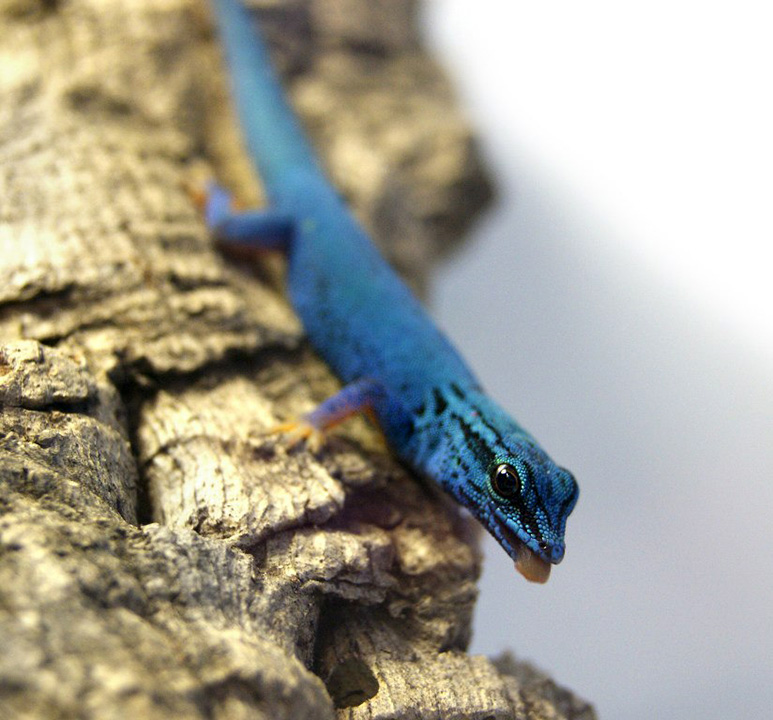
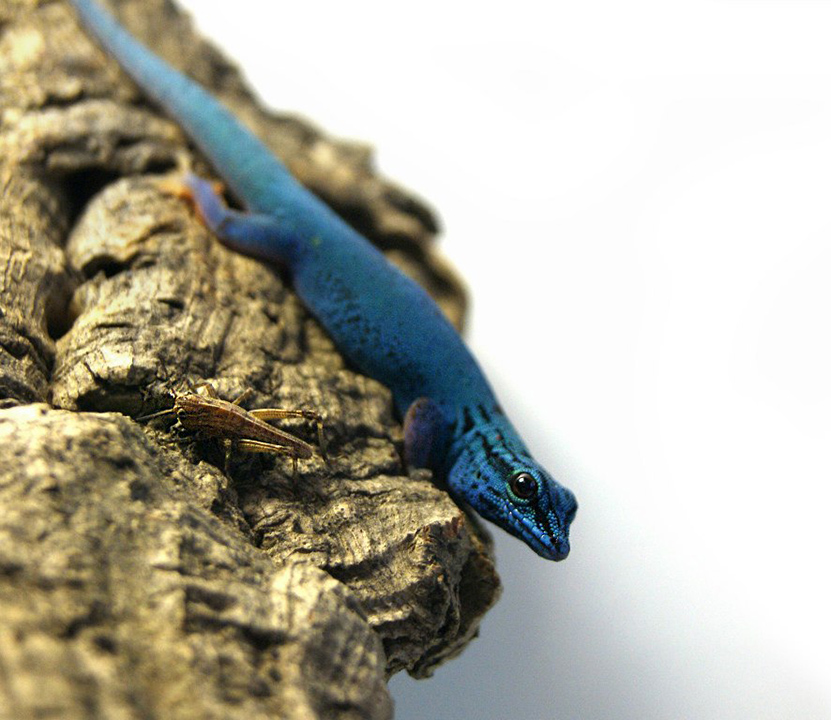
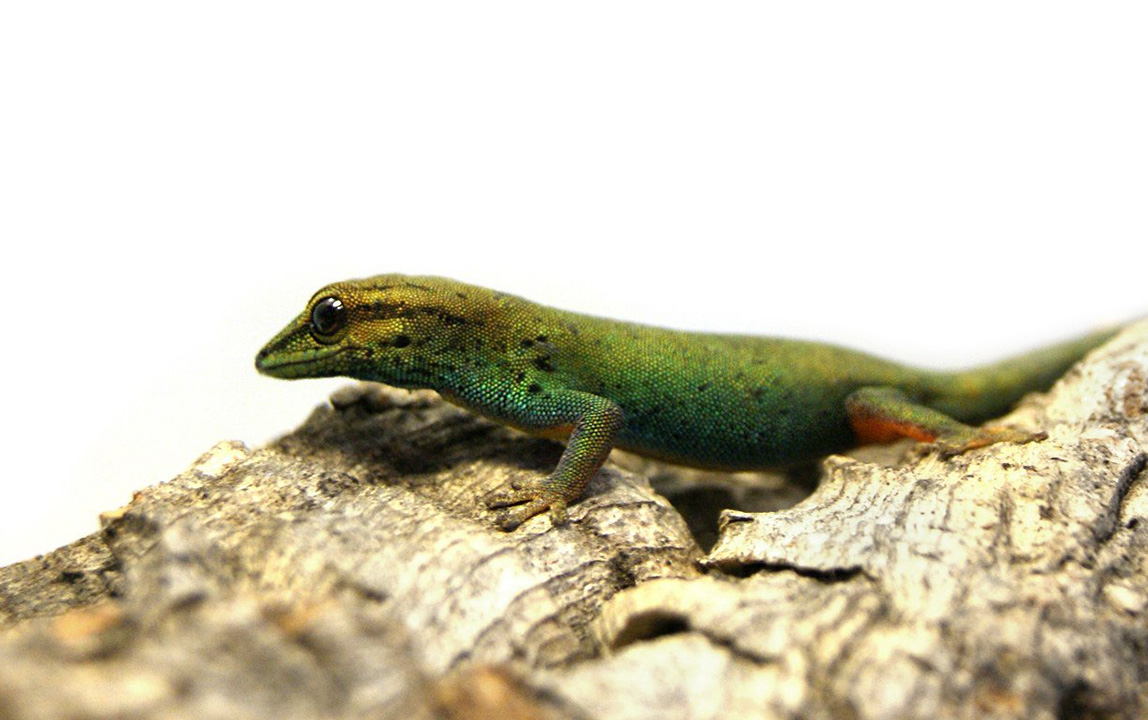
Размер этой некрупной ящерицы - всего 5 - 8 см в длину. Половой диморфизм выражен, самцы крупнее самок и ярче окрашены. Доминирующие самцы окрашены очень ярко - в красивый лазоревый (ярко-голубой) цвет. Самки, как правило, зеленоватые с золотистым отливом. Молодые самцы и угнетённые особи окрашены как самки. Через глаз проходит контрастная чёрная полоса, на дорсальной поверхности головы чёрный V-образный рисунок. Горло самцов чёрное, горло самок - зеленоватое с чёнрыми полосами. Брюшная часть тела окрашена в оранжевый или ярко-жёлтый цвет.
Характер
Дневной полудревесный вид.
Не приручается, на руки брать рекомендуется лишь в крайних случаях.
При осторожном обращении не пугается человека за стеклом, может брать корм с пинцета.
Быстрая и стремительная ящерица, легко пролезает в любые щели, это нужно предусмотреть во избежание побега из террариума.
Содержание и уход
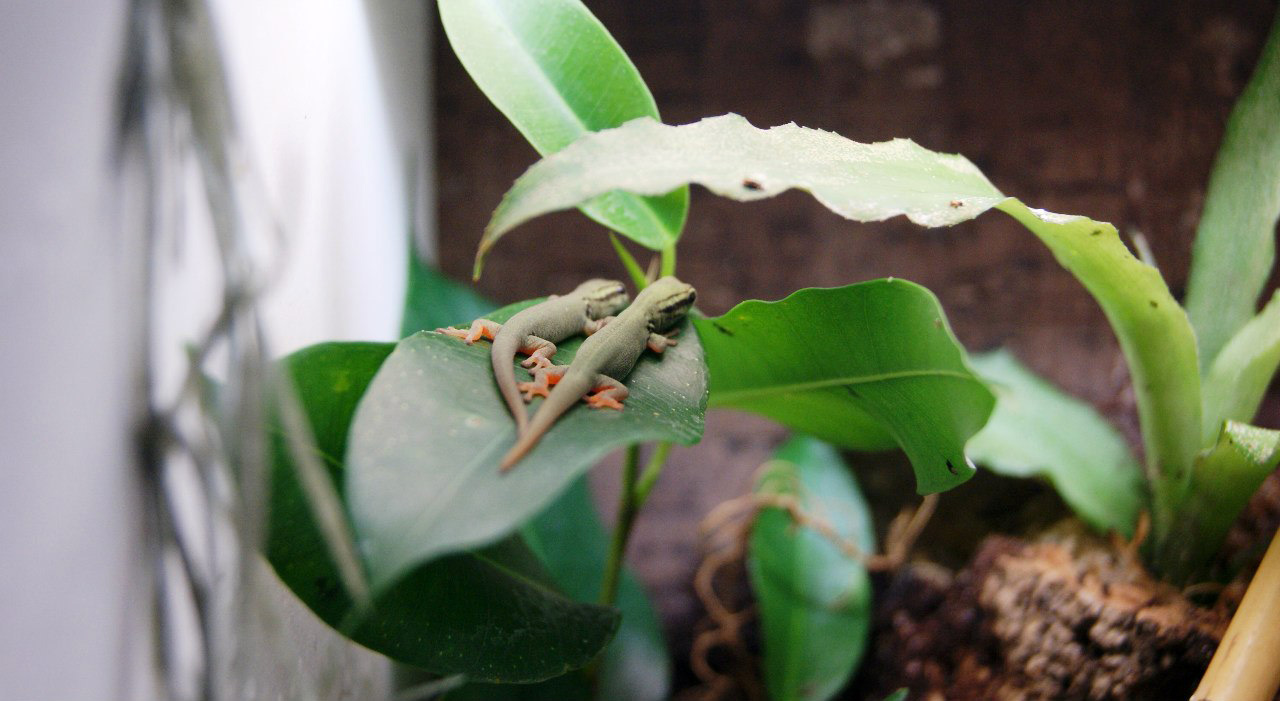
Террариум для лигодактилюсов необходим вертикального типа, так как это полудревесный вид ящериц. В качестве укрытий и декора очень хорошо подходят коряги типа виноградной лозы, поставленные вертикально. Также очень желателен бамбук -ящерицы прекрасно лазают по нему, он служит им субстратом и убежищем. На дно террариума можно положить кокосовый субстрат, или мох, или даже обычную землю. Если в качестве грунта положена земля, растения можно сажать прямо в неё, если же земли нет, горшки растений можно замаскировать мхом или материалом субстрата. В террариуме желательны именно живые растения, так как они способствуют поддержанию влажности, столь необходимой для этих ящериц. Выбор растений очень велик - лигодактилюсы их не портят.
Прекрасно подходят такие ароидные, как сциндапсусы, сингоумы, маранты, лазающие фикусы, бромелиевые, орхидеи. С помощью этих растений можно создать прекрасные цветущие заросли, где яркие лигодактилюсы будут смотреться очень нарядно.
Размер террариума на одну особь или пару 50×30×70 см. Самцы агрессивны друг к другу, поэтому стоит содержать одиночную особь или пару. При этом должно быть много укрытий, так как даже самка и самец могут драться между собой. В то же время мирные и сформировавшиеся пары разделять не стоит, они могут мирно прожить всю жизнь и без стимуляции размножаться.
Температура в точке нагрева, под лампой накаливания, должна быть около 33 градусов, остальная часть террариума 25-28 градусов. Разница температур желательна, ночью температура может опускаться до 20 градусов по Цельсию. Необходима и ультрафиолетовая лампа.
Лигодактилюсы пьют воду, слизывая её с растений, поэтому опрыскивать террариум необходимо ежедневно, также желателен и водоём с чистой водой.
Влажность высокая, 60-70%.
Освещение яркое. Обязательны ультрафиолетовый светильник и лампа накаливания.
Кормление
В природе лигодактилюсы питаются преимущественно насекомыми и пьют нектар цветов.
В кормлении люгодактилюсы неприхотливы, но их кормовые объекты должны быть небольшими по размеру.
В их рационе необходимо присутствие 95% животной пищи и 5% растительной пищи. В качестве животной пищи годятся сверчки, тараканы, мокрицы. Из растительной пищи хорошо идут фруктовые пюре для маленьких детей, и мёд. Взрослых особей желательно кормить не реже чем раз в два дня, молодняк ежедневно. Корма следует чередовать, обязательно добавление кальциесодержащих добавок и витаминов.
Особенности
Очень активны, но пугливы. Им, с одной стороны, интересно всё, что происходит вокруг, но при малейшей опасности они быстро убегают. Прекрасно передвигаются по вертикальным поверхностям, на кончиках пальцев, образующие вакуум при присасывании к каким-либо гладким предметам.
Прекрасно подходят для содержания в небольшом террариуме, этот яркий островок зелени с красочными ящерицами будет прекрасным украшением комнаты.
Требуют живых кормов в рационе.
Болезни
Нарушение линьки - в результате слишком сухого воздуха в террариуме при линьке кожа не сходит полностью, тогда кожу приходится размачивать водой и снимать вручную. Профилактика этой проблемы – поддержание высокой влажности в террариуме.
Рахит - системное нарушение развития, выражается в ломкости, искривлённости костей. В качестве профилактики необходим ультрафиолет и минеральные подкормки.
Разведение
Люгодактилюсы-яйцекладущие ящерицы, при совместном содержании могут без дополнительной стимуляции размножаться круглогодично. Откладывают яйца в трещины коры. Кладка обычно состоит из 2 - 4 яиц. Молодые ящерицы, как правило, могут выжить и в общем террариуме, если обильно их кормить сначала мухой-дрозофилой, а потом сверчковой пылью.
Продолжительность жизни 3 - 5 лет.