Отряд
Чешуйчатые
Классификация
Отряд — Чешуйчатые (Scuamata).
Семейство — Аспиды (Elapinae).
Род — Чёрные змеи (Pseudechis).
Вид — Ехидна чёрная (Pseudechis porphyriacus).
Ареал обитания
Чёрная ехидна обитает в Австралии, в южной и восточной её части, а также на островах Новой Гвинеи.
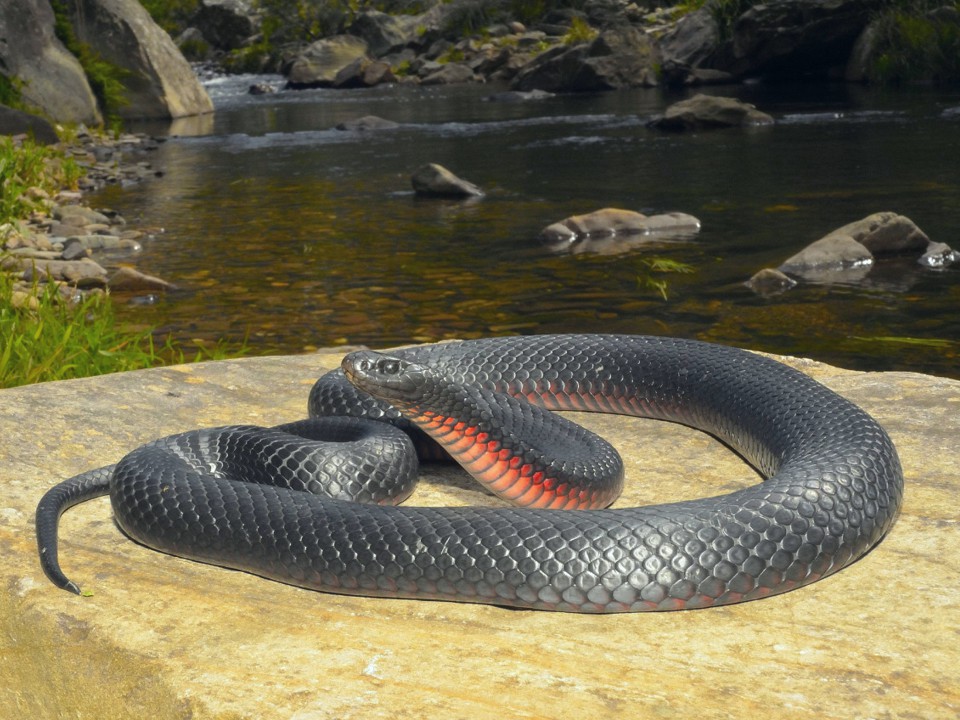
Предпочитает селится около воды, особенно любит реки и болота. Черная ехидна - прекрасный пловец и ныряльщик, может длительное время, до 1 часа, проводить под водой без дополнительного вдыхания воздуха.
Наибольшую активность развивает в дневной период суток, когда вода хорошо прогревается.
Внешний вид
Размер черной ехидны 1,5 - 2 метра. Встречаются особи длиной до 3-х метров, это одна из самых крупных ядовитых змей в мире.
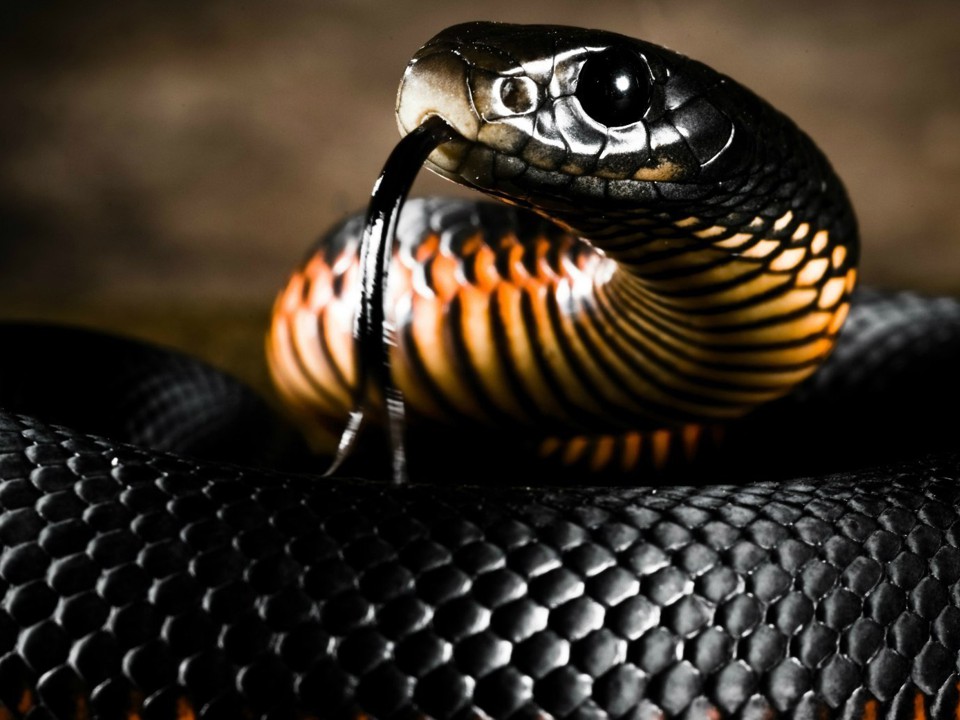
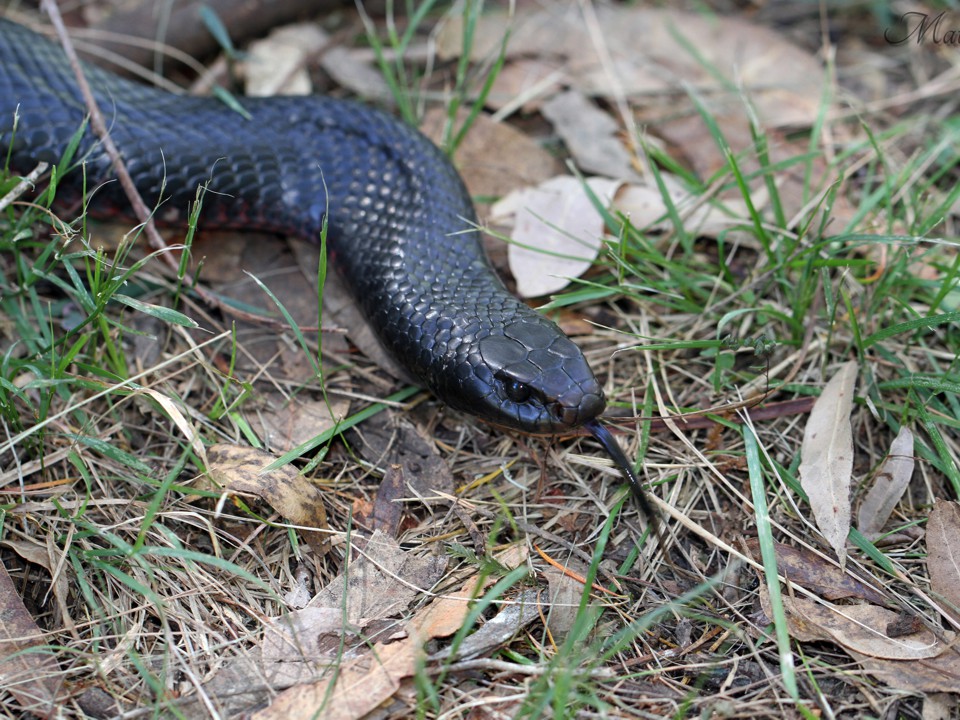
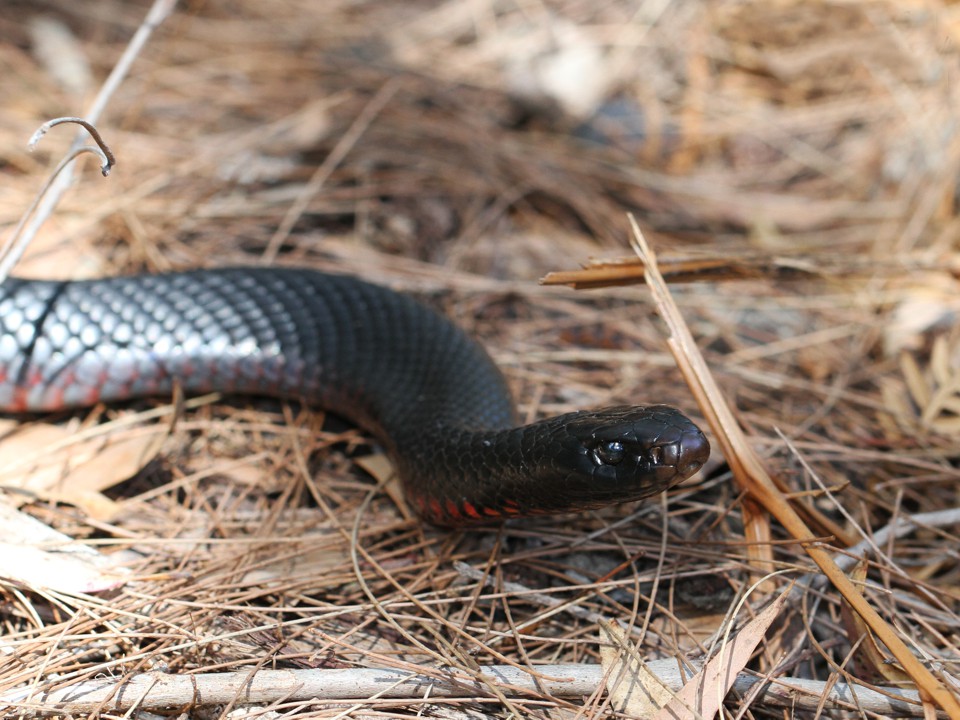
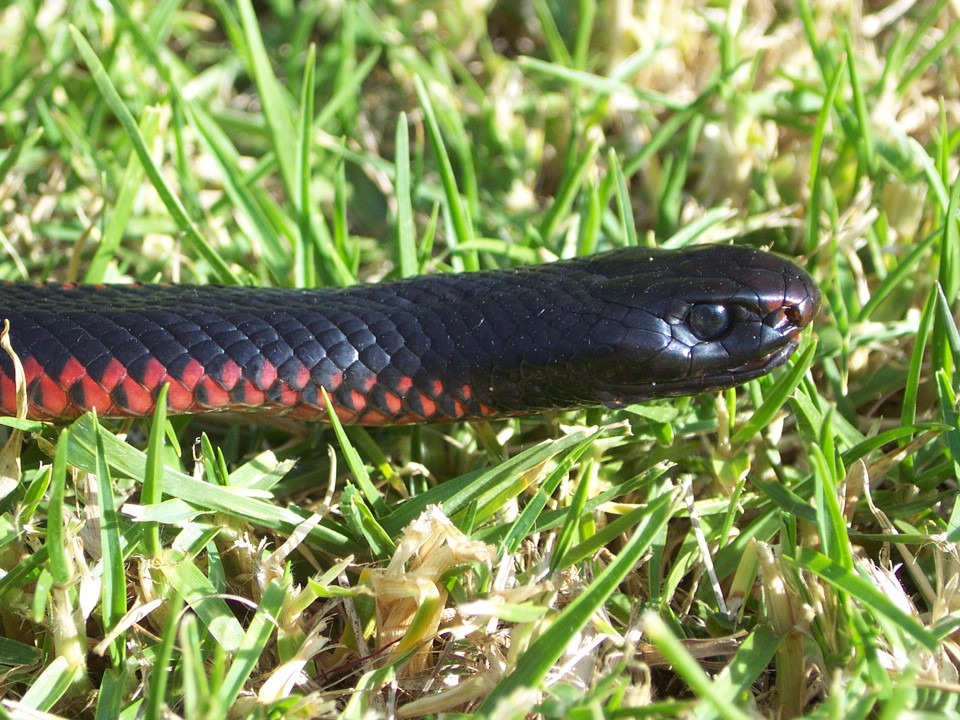
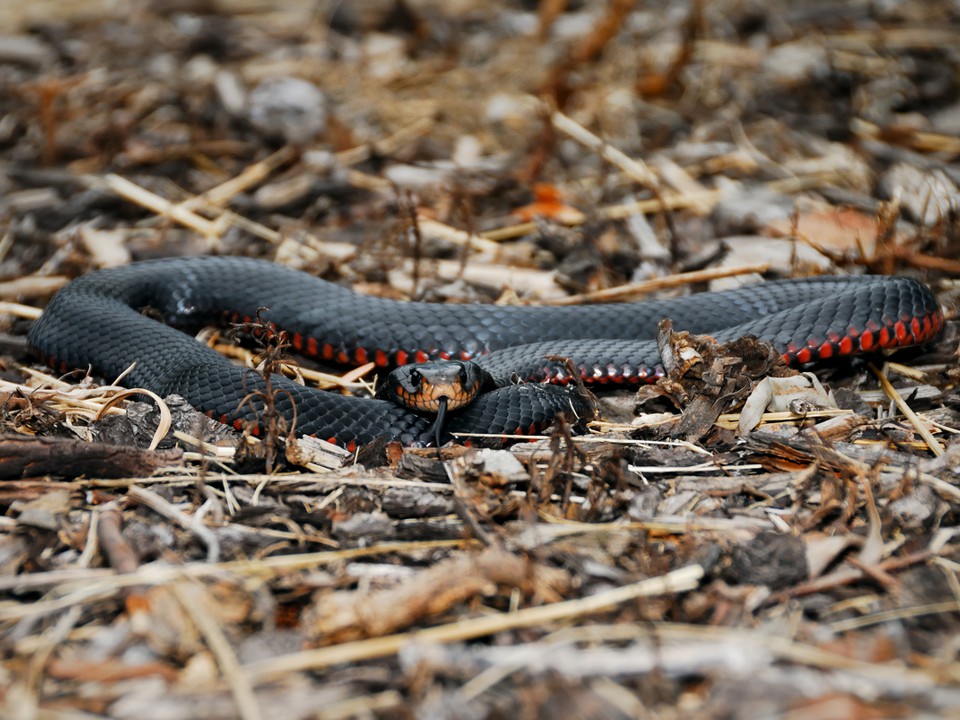
Тело и голова окрашены в блестящий чёрный цвет, нижняя сторона тела от розового до ярко-розового цвета. Тело стройное с гладкой чешуёй, тонкое. Голова небольшая, узкая. Ядовитые зубы крупные, парные. Расположены в передней части укороченных верхнечелюстных костей, они заметно крупнее остальных зубов, загнуты назад и снабжены ядопроводящим каналом. Ядовитые зубы закреплены неподвижно, это примитивный признак. Полый ядопроводящий канал у аспидов произошёл от бороздки на передней поверхности зуба путём постепенного смыкания её краёв. Функционирует обычно только один из ядовитых зубов, второй является «заместителем» на случай утраты первого.
Помимо клыков, в верхней челюсти имеются мелкие неядовитые зубы.
Характер
Чёрная ехидна хорошо плавает и ныряет, может провести под водой до одного часа. Активна днём. Агрессию к человеку проявляют только в крайнем случае.
Входит в список семи самых ядовитых змей планеты.
При опасности змея вытягивает шею над землёй на высоту 10 – 20 см, наклоняет переднюю часть тела и наносит укус. Охотится из засады, сидя неподвижно, часто в воде.
Содержание и уход
Террариум для черной ехидны должен быть устроен определённым образом. Это связано с большой опасностью содержания змеи. В нём должно быть укрытие для змеи, которое необходимо надёжно закрыть, находясь снаружи террариума - это обеспечит безопасность человека во время уборки террариума. Наилучшим решением будет двухсекционный террариум. Террариум лучше горизонтального типа, размером 100х50х60 см. Покрытие дна - толстый слой кокосовых чипсов, коряги для лазания. Обязательна поилка, воду в ней нужно менять ежедневно. В один из углов террариума надо положить мох-сфангум, он должен быть постоянно влажным, змея будет туда зарываться.
Температура воздуха 22 – 24°C ночью, 25 – 27°C днём. Обогревать террариум с ехидной лучше термоковриком.
Влажность воздуха высокая, около 70%. Необходимо ежедневное опрыскивание.
Освещение постоянное, люминесцентными лампами. Это необходимо для безопасности, так как в темноте змеи видят лучше человека.
Кормление
В природе основной рацион черной ехидны составляют мелкие позвоночные, в основном лягушки.
Молодые особи предпочитают употреблять в пищу насекомых и прочих беспозвоночных, рептилий, а также мелких млекопитающих. Они могут также поедать змей, в том числе и своего вида. После искусственного введения в экосистему Австралии жаб аг, покрытых ядовитой слизью, погибла значительная часть популяции многих ядовитых змей. Однаков последнее время наблюдается значительный прирост численности этих змей, произошло это в связи с тем, что черные ехидны сменили приоритеты в питании и стали отдавать предпочтение в питании грызунам.
В условиях террариума основной пищей чёрной ехидны являются мелкие грызуны – мыши и крысы.
Кормить лучше два раза в неделю, в пищу следует добавлять минеральные и витаминные подкормки.
Особенности
Очень ядовита и опасна для человека.
Не рекомендуется для содержания в террариуме.
Яд нейротоксический, вызывает в организме человека свертывание белка.
При подозрении на опасность эта змея вытягивает шею над землей на высоту 10-20 см, а переднюю часть туловища наклоняет и в это время наносит укус. Её укус потенциально может быть смертельным для человека, так как она едва ли не рекордсмен по количеству выделяемого и производимого яда. Выделяемый ею нейротоксический яд способен вызывать свертывание белков в организме. Особенно черная ехидна опасна для купающихся из-за своей манеры неподвижно лежать на дне реки, не подавая признаков жизни.
Болезни
Отказ от пищи может быть вызвано стрессом, неподходящим кормовым объектом, новым кормовым объектом, нетипичным для вида кормовым объектом, или змея просто не голодная. Не стоит сразу кормить змею насильно, ведь они достаточно долго могут прожить без еды без вреда для здоровья. Беспокоиться следует начинать, если змея не ест несколько месяцев. Тогда нужно проанализировать условиях содержания и рацион змеи до начала проблемы. В крайнем случае можно кормить змею искусственно, но это рекомендуется-слишком опасно.
Срыгивание может возникать из-за стресса, болезни, слишком большого кормового объекта, кормления во время линьки, нарушение температурного режима. После срыгивания нельзя кормить змею в течение 7 – 10 дней, потом стоит покормить змею снова с учётом анализа ошибок.
Линька – это не болезнь, а необходимый этап роста змеи. При этом глаза змеи мутнеют, окрас светлеет, а кожа начинает слезать. В этот период следует следить за влажностью в террариуме и наличия водоёма.
Клещи – это небольшие паразиты, живущие на коже змеи, они при присасываются к тему змеи между чешуйками и сосут кровь. Змея при этом становится медлительной и может отказываться от пищи. Лечат змею обычно слабым раствором фронтлайна препарат от клещей для собак и кошек). Необходимо так же продезинфицировать весь террариум.
Респираторные инфекции – обычно их вызывают условно-патогенные бактерии в случае снижения иммунитета змеи в результате стресса из-за неправильных условий содержания. Симптомы – затруднённое дыхание, открытый рот, истечения из носа. Лечится антибиотиком – байтрилом, в инъекциях.
Разведение
Яйцеживородящий вид, то есть яйца формируются в теле змеи и там же незадолго до "родов" молодые змеи вылупляются, а скорлупа рассасывается в половых путях самки.
Очень плодовита, производит на свет от 8 до 40 детёнышей размером от 5 до 22 см в длину. В террариуме размножается редко.
В природе в период спаривания самцы этого вида змей вступают в турнирные схватки между собой за самку. Они насползают друг на друга, изогнув шею и подняв голову, и пытаясь накрыть голову противника своей головой. Когда одному из них это удается, то он обвивает резким движением туловище противника своим телом. Яростно извиваясь и шипя, они сдавливают друг друга.Через некоторое время они одновременно прекращают единоборство и расползаются, чтобы приготовиться к следующему этапу борьбы. Каждый из таких «этапов» продолжается около минуты, и повторяются они до полного изнеможения самцов. Они бывают настолько увлечены турниром, то могут не распутаться, даже если их поднимают с земли. Во время турнира змеи не наносят укусы друг другу. Помимо полового возбуждения, причиной таких боев служит и территориальный инстинкт.
Продолжительность жизни 12 - 15 лет.