Отряд
Чешуйчатые
Классификация
Отряд — Чешуйчатые (Scuagmata).
Семейство — Ложноногие (Boigae).
Род — Анаконды (Eunectes).
Вид — Анаконда парагвайская (Eunectes notaeus).
Ареал обитания
Парагвайская анаконда широко распространена в Южной Бразилии, а также в Боливии, Парагвае, Уругвае, Аргентине. Водится в следующих штатах Бразилии: Мату-Гросу, Мату-Гросу-ду-Сул, Парана, Сан-Паулу, Санта-Каталина, Риу-Гранди-ду-Сул.
В Бразилии в зонах интерградации с видом обыкновенная анаконда (Eunectes murinus) отмечены межвидовые гибриды.
Обитает в тропических и субтропических влажных лесах, в реках со спокойным течением, озерах, болотистых участках, поймах рек и ручьев, заводях. Ведет водный образ жизни, на сушу выходит только для того, чтобы погреться. Активность круглосуточная, относительный покой и переваривание пищи происходит на берегу, а также под водой, где змея может оставаться длительное время.
Отлично плавает, иногда поджидает добычу, затаившись в воде. В засушливый период, при высыхании водоемов, закапывается в ил, где находится в состоянии частичного оцепенения до наступления сезона дождей.
Внешний вид
Размер анаконды обычно не превышает трёх с половиной метров. Изредка встречаются особи до 5-ти метров в длину. Это самая мелкая из всех анаконд.
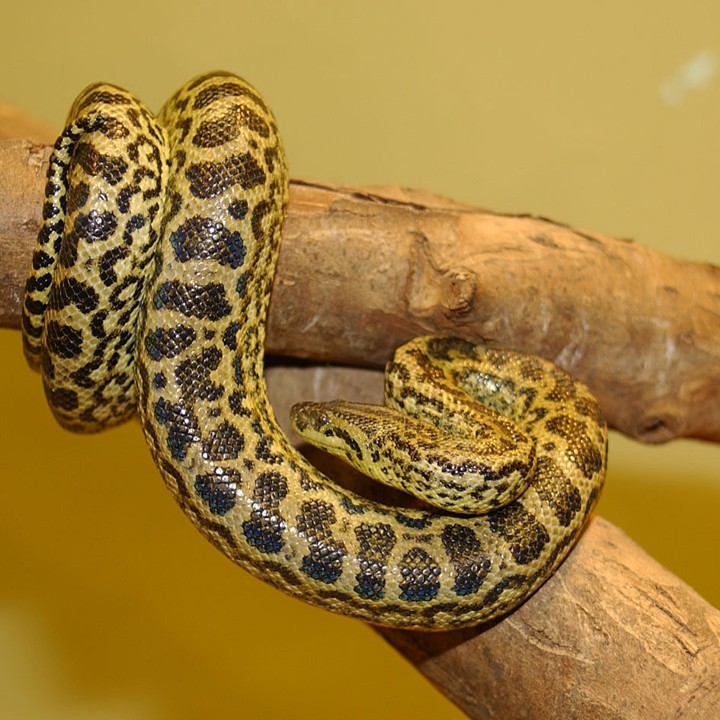
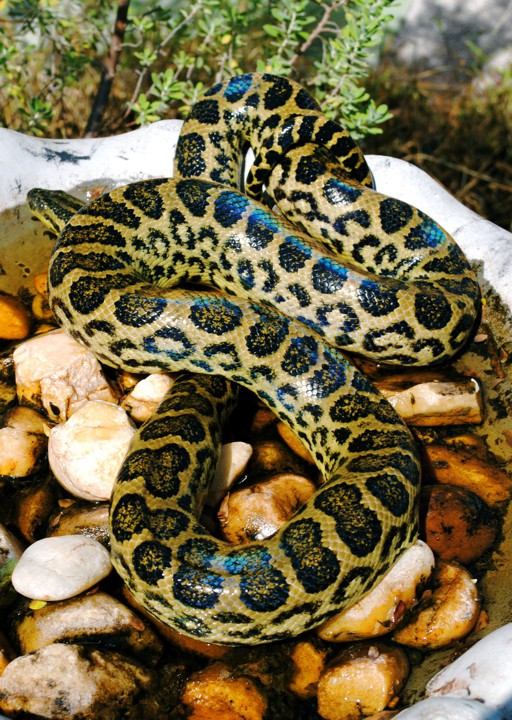
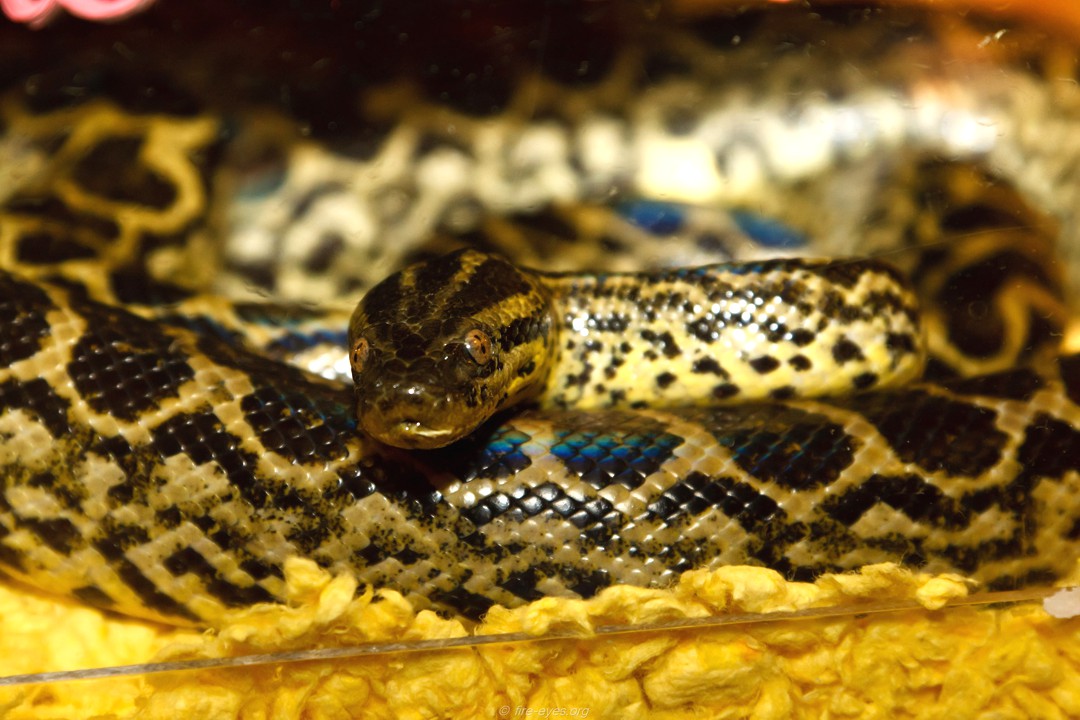
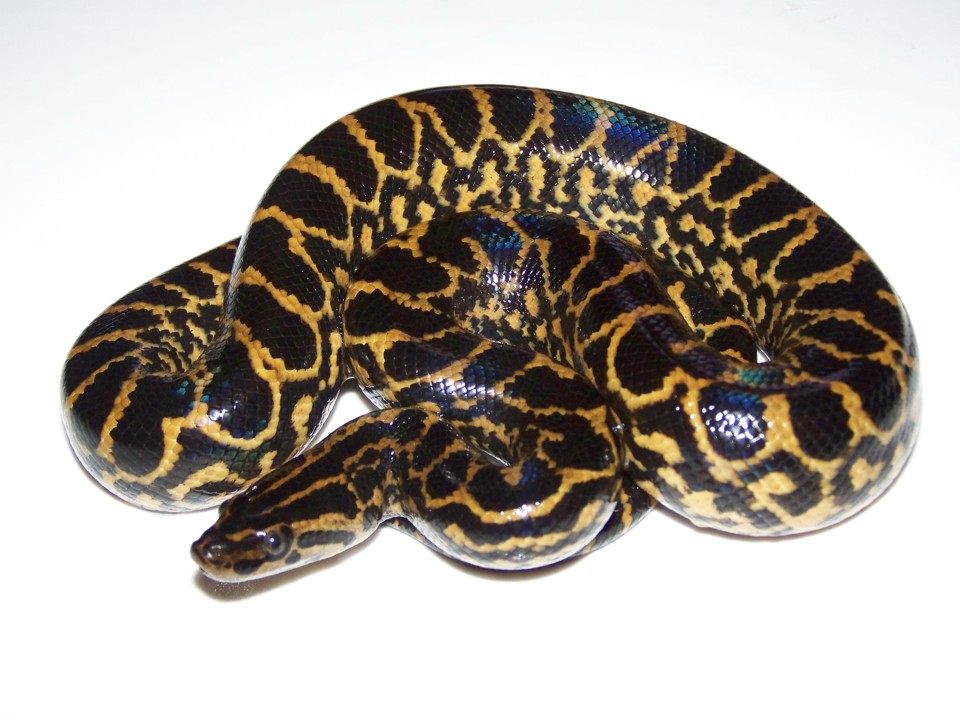
Тело у анаконды сероватое или зеленовато-жёлтое с крупными, более тёмными пятнами, расположенными в ряд по хребту. По бокам такие же пятна, но меньшего размера.
Принципиальных различий в размерах и окраске самцов и самок не отмечено. У самцов хвост длинный с характерным утолщением у основания, по сторонам анального щитка хорошо заметны рудименты задних конечностей в виде коготков. У самок хвост короткий, без утолщения, коготки выражены слабо.
Характер
Активна в основном в сумерках и ночью.
Змея крупная и достаточно агрессивная, может представлять опасность для человека. Даже змея, родившаяся в террариуме и всю жизнь прожившая в тесном контакте с человеком, может без предупреждения укусить.
Анаконды не ядовиты, но укус у них сильный.
Содержание и уход
Террариум для анаконды должен быть очень большой, горизонтального типа – примерно 100х60х70 см. Устраивают террариум так, чтобы две трети его поверхности занимал водоём глубиной не менее 50 см, змея должна иметь возможность там плавать и лежать. На суше размещают субстрат – песок, кокосовые чипсы, гравий, а также крупные ветки или коряги; подходит так же мох-сфагнум, он хорошо поддерживает влажность. Чистить водоём и менять в нём воду полностью необходимо раз в неделю. Воду можно не отстаивать. В водоёме должна быть помпа или, ещё лучше, мощный внешний фильтр, а также аквариумный обогреватель, чтобы подогреть воду. На суше обязательны укрытия – можно сделать деревянный домик. Содержат анаконд строго поодиночке.
Температура воздуха от 21°C ночью до 25 – 30°C днём.
Влажность воздуха высокая, 50 – 70%, необходимо ежедневное опрыскивание.
Освещение 12 часов в день люминесцентными ультрафиолетовыми лампами.
Оптимальная температура воды 20 – 24°C (возможно понадобится обогреватель).
Кормление
В природе питается различными млекопитающими, птицами, рептилиями, амфибиями и рыбой. Хотя эта анаконда предпочитает охотиться на живую добычу, она не гнушается и падалью.
В условиях террариума анаконд кормят в основном грызунами - крысами, мышами, морскими свинками, кроликами, а также добавляют в рацион рыбу, цыплят, перепелов. Кормят этих змей в воде.
Важно не перекормить анаконду, так как в условиях террариума они часто страдают ожирением. Молодых змей кормят раз в 3 – 5 дней, взрослых раз в 8 – 10 дней. Важно не тревожить змею в течение часа после кормления, иначе она может срыгнуть пищу.
Вместе с кормами необходимо давать минеральные подкормки и витаминные препараты.
Особенности
Требует очень большого террариума с водоёмом и живых кормов.
Может быть очень агрессивна, больно кусается.
Много едят, кормление такой крупной змеи выходит недёшево.
Болезни
При несвоевременной уборке в террариуме возможен некротический дерматит. Он выражается в появлении на теле змеи неровных пятен с изменившеся окраской, в этом месте чешуя выглядит матовой и легко отваливается. Лечится это заболевание антибактериальными мазями и улучшением условий содержания.
Отказ от пищи может быть вызвано стрессом, неподходящим кормовым объектом, новым кормовым объектом, нетипичным для вида кормовым объектом, или змея просто не голодная. Не стоит сразу кормить змею насильно, ведь они достаточно долго могут прожить без еды без вреда для здоровья. Беспокоиться следует начинать, если змея не ест несколько месяцев. Тогда нужно проанализировать условиях содержания и рацион змеи до начала проблемы. В крайнем случае можно кормить змею искусственно.
Срыгивание может возникать из-за стресса, болезни, слишком большого кормового объекта, кормления во время линьки, нарушение температурного режима. После срыгивания нельзя кормить змею в течение 7 – 10 дней, потом стоит покормить змею снова с учётом анализа ошибок.
Линька – это не болезнь, а необходимый этап роста змеи. При этом глаза змеи мутнеют, окрас светлеет, а кожа начинает слезать. В этот период следует следить за влажностью в террариуме и наличия водоёма.
Клещи – это небольшие паразиты, живущие на коже змеи, они при присасываются к тему змеи между чешуйками и сосут кровь. Змея при этом становится медлительной и может отказываться от пищи. Лечат змею обычно слабым раствором фронтлайна препарат от клещей для собак и кошек). Необходимо так же продезинфицировать весь террариум.
Респираторные инфекции – обычно их вызывают условно-патогенные бактерии в случае снижения иммунитета змеи в результате стресса из-за неправильных условий содержания. Симптомы – затруднённое дыхание, открытый рот, истечения из носа. Лечится антибиотиком – байтрилом, в инъекциях.
Разведение
Это яйцеживородящий вид, то есть яйца формируются в теле змеи и там же незадолго до "родов" молодые змеи вылупляются, а скорлупа рассасывается в половых путях самки.
В условиях террариума анаконды размножаются охотно. Для этого пару змей ссаживают после непродолжительной зимовки (1 – 2 месяца при световом дне 8 часов и пониженной температуре). Полового созревания анаконды достигают в возрасте 2,5 – 4 лет. После сложного ритуала ухаживания в воде происходит спаривание. В репродуктивный период самцы могут прекратить питаться, но это необязательно. Копуляции происходят в воде и продолжаются долго от 4 до 8 часов и более. Спариваются анаконды с сентября по февраль, но не каждая копуляция бывает результативной. через 5 – 9 месяцев самка рожает 8 – 30 детёнышей. Во время вынашивания потомства самка не ест. Новорождённая анаконда весит 120 – 170 грамм при длине 55 – 70 см.
Сезонной ритмики для анаконд придерживаться не обязательно. В природе период засухи приходится на июль-август, после чего в середине сентября начинается сезон дождей и анаконды приступают к спариванию.
Продолжительность жизни 20 – 25 лет.