Отряд
Чешуйчатые (Squamata)
Классификация
Отряд — Чешуйчатые (Squamata).
Семейство — Агамовые (Agamidae).
Подсемейство — Парусные ящерицы (Hydrosaurinae).
Род — Плащеносные ящерицы (Chlamydosaurus Gray).
Вид — Плащеносная ящерица (Chlamydosaurus kingii Gray).
Ареал обитания
Водятся на северном побережье Австралии и острове Новая Гвинея, обитают на равнинах, песчаных и травяных, с рощами из деревьев, где на ветвях они прячутся и отдыхают.
Выделяют три формы этих ящериц:
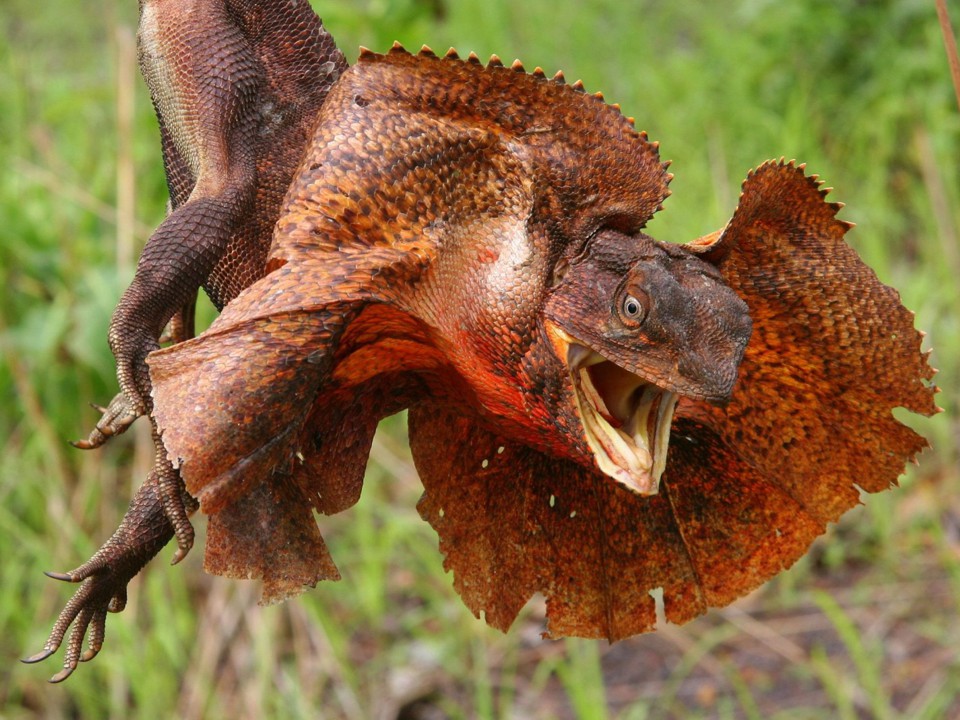
1. Родом из Австралии. Это самые редкие и самые дорогие животные, являются самыми крупными представителями вида. Окрас, преимущественно желто-коричневый, с красным оттенком, обычно имеют белые «щечки».
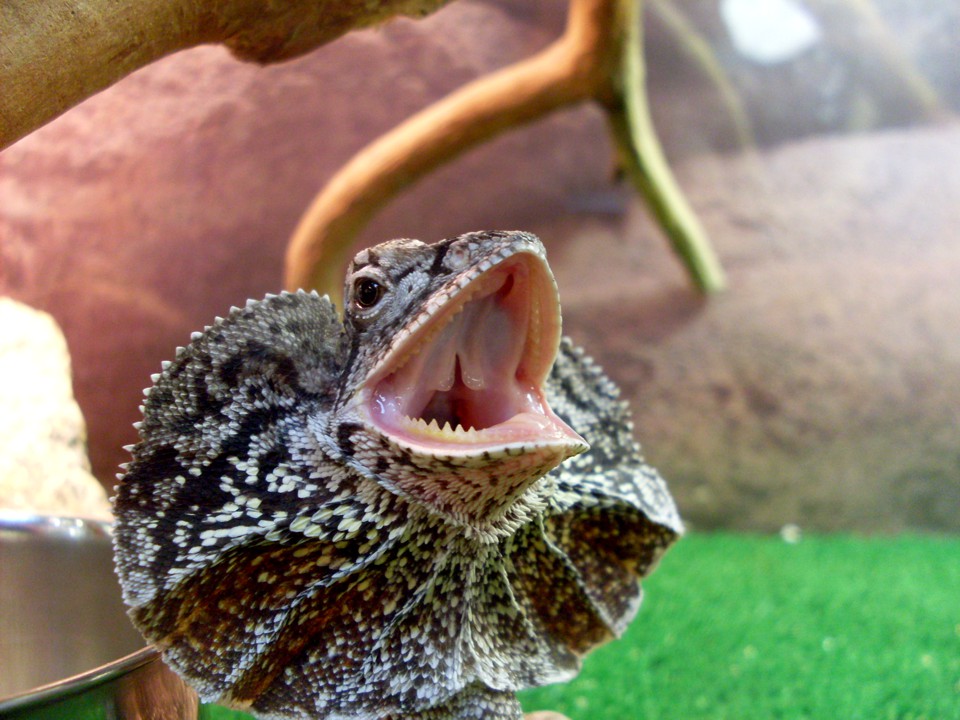
2. Родом из Новой Гвинеи. Самые распространенные в культуре. Размер тела и плаща значительно меньше, чем у "австралийцев". Основной цвет тела - темно коричневый, с серым рисунком.
3. Гибрид первой и второй формы. Немного крупнее новогвинейских, а окрашены также, как и австралийские, но отсутствуют белые «щечки».
Внешний вид
Размеры самцов австралийского подвида могут достигать 100 см в длину, самцы новогвинейского подвида мельче - около 80 см. Самцы меньше самцов примерно на 10 см. Это вторая по размеру ящерица среди семейства Агамовые. Половой диморфизм хорошо развит, самцы гораздо крупнее самок.
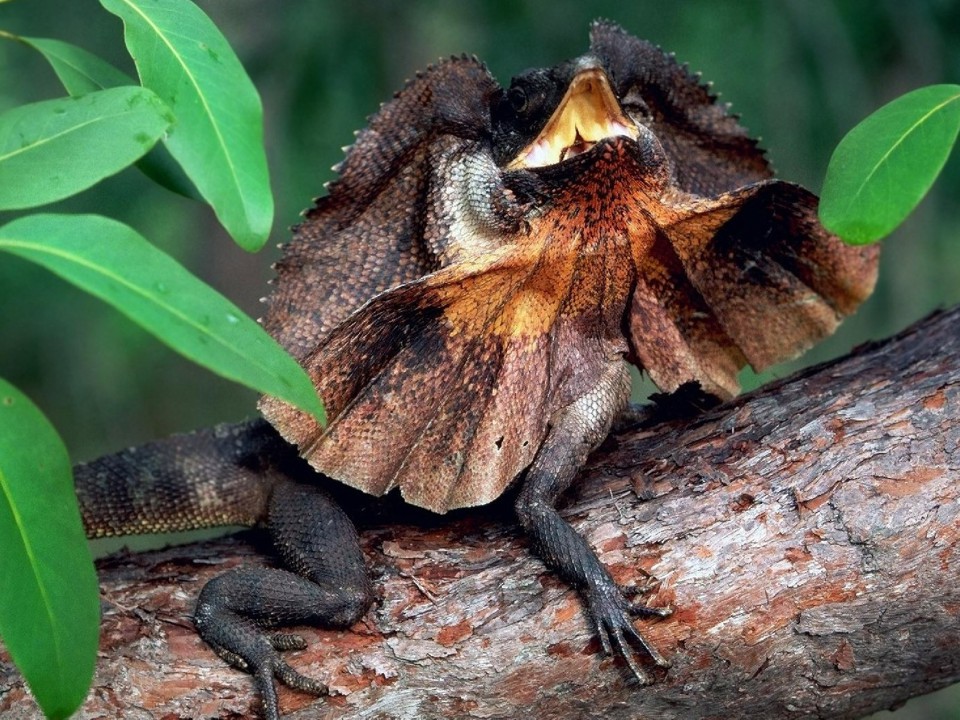
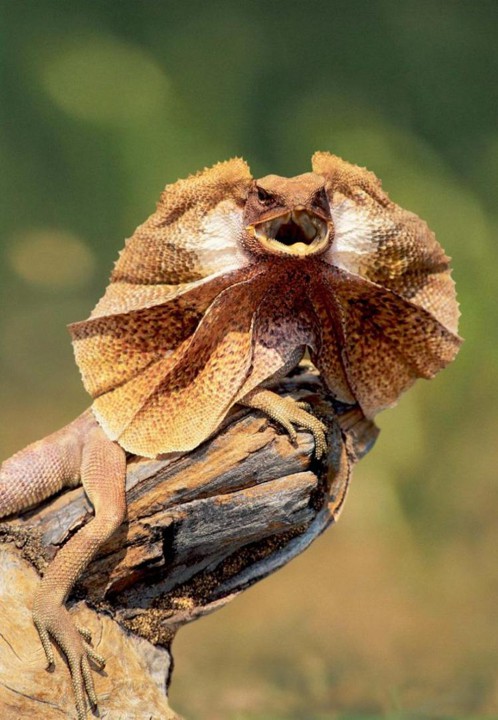
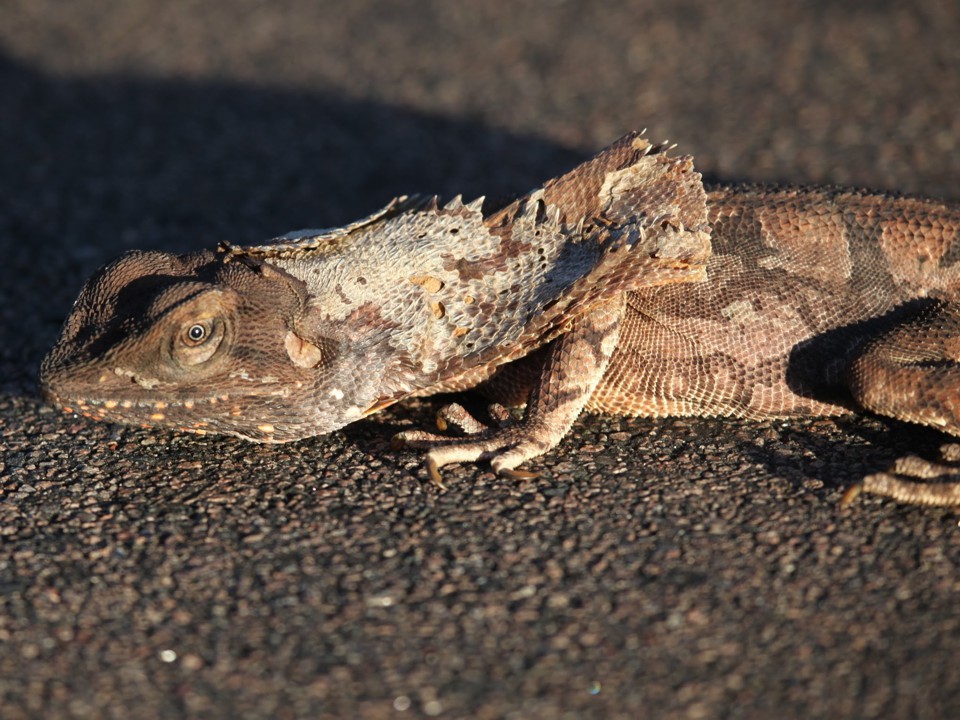
Окрас покровительственный, под цвет субстрата, от жёлто-коричневого до чёрно-коричневого. Хвост очень длинный, примерно две трети от длины тела. Отличительная особенность, отмеченная в названии вида - большая воротникообразная кожная складка, расположенная вокруг головы. Внутри складки находятся хрящевые выросты подъязычной кости - по два с каждой стороны. Под действием особого мускула, находящегося на горле животного, плащ может подниматься и опускаться. В сложенном состоянии он прилегает к телу, если же ящерице нужно кого-то напугать, она расправляет складку как воротник. Складка содержит многочисленные кровеносные сосуды и служит в том числе для терморегуляции. Утром ящерица ловит им солнечные лучи, а при сильном перегреве он помогает ящерице охладиться. Также он играет важную роль в привлечении самок и борьбе с соперниками. Плащеносная ящерица быстро бегает, поэтому обладает сильными конечностями и острыми когтями.
Характер
Плащеносная ящерица немного пуглива, и, чтобы казаться больше и опаснее, она прибегает к разным методам, обращая их, в том числе, и против человека. При опасности она открывает пасть и оттопыривает свой воротник, становится на задние лапы, шипит и бьёт хвостом по земле. Таким образом ей удаётся казаться опаснее и крупнее, чем она есть, что хорошо отпугивает хищников. Для усиления эффекта плащеносная ящерица стремиться встать на возвышенность - так она кажется ещё больше. При быстром беге ящерица бежит на задних ногах, используя хвост как балансир.
Плащеносная ящерица плохо приручается, но при привыкании к людям вне террариума она относится к ним спокойно и не проявляет вышеописанного поведения, которое хоть и является эффектным, но вгоняет ящерицу в сильный стресс, что сильно снижает её иммунитет и продолжительность жизни. На руки брать плащеносных ящериц не рекомендуется - они этого боятся. Но наблюдать за ними в террариуме очень интересно.
Содержание и уход
Террариум для одной особи должен быть, как минимум, 150 см в длину и не менее 100 см в высоту, а лучше больше. Содержат обычно одного самца или пару ящериц. Если террариум очень большой, можно содержать плащеносных ящериц гаремом - один самец и несколько самок.
Хоть плащеносные ящерицы прекрасно передвигаются по земле, они предпочитают проводить большую часть времени на деревьях, поэтому в террариуме с ними должны быть крепкие ветви деревьев. Задние и боковые стенки лучше обклеить фоном - так ящерицы будут себя чувствовать спокойнее и увереннее. На корягу должна быть направлена греющая лампа, температура в точке прогрева должны быть не менее 38 градусов, иначе ящерицы становятся вялыми. Обязательно должно быть достаточное расстояние между ящерицей и лампой, иначе она может получить ожог кожи – обычно это расстояние должно быть не менее 30 см. Обязательна и ультрафиолетовая лампа.
В качестве декораций и укрытий подойдут сильные и мощные растения-монстеры, диффенбахии, сциндапсусы, маранты.
Поилка не нужна, купаться плащеносные ящерицы не любят.
В качестве субстрата можно использовать измельчённую кору, также она будет декорировать горшки с растениями.
Температура воздуха от 24°C ночью до 30°C днём, в точке прогрева около 42°C.
Влажность воздуха 40-60%, вечером до 80%.
Освещение умеренное.
Кормление
Плащеносные ящерицы - насекомоядные, в их рацион входят тараканы, пауки, сверчки, зоофобас, мучные черви, а также мелкие млекопитающие, другие ящерицы, птичьи яйца. В неволе можно разнообразить их рацион мышатами, а также смесью из мяса, овощей, яичного белка, минеральных и витаминных добавок. Корм дают в кормушке или кормят ящериц пинцетом. Несъеденный корм из кормушки следует регулярно убирать, чтобы он не загнивал.
Взрослых плащеносных ящериц кормят два-три раза в неделю. Молодых ящериц до шести месяцев необходимо кормить ежедневно, до двухлетнего возраста молодняк кормят три-четыре раза в неделю.
Из поилки плащеносные ящерицы не пьют, а слизывают капли воды после опрыскивания террариума.
Особенности
Красивые, крупные, активные ящерицы с интересным поведением.
Неприхотливы в еде.
Самцы очень агрессивны друг к другу.
При групповом и парном содержании кормить животных необходимо по отдельности, так как возможно повреждение воротника, ведь во время еды он поднимается и опускается, это может раздразнить других ящериц и привести к укусам.
Взрослые ящерицы очень прожорливы и склоны к ожирению.
В случае сильного испуга могут совершать быстрые резкие движения и впадать в панику.
Могут травмироваться из-за паники и разбивать морду, в этом случае, при отсутствии стрессовых факторов, раны зарастают сами.
Требуют живых кормов в рационе
Требуют большого террариума.
Плохо приручаются.
Болезни
Вследствие неправильной линьки может развиться некроз - непролинявшие кусочки кожи остаются на теле ящериц , часто на тонком участке хвоста, под ними образуется некроз и кончик хвоста может даже отвалиться. В качестве профилактики необходимо поддерживать в террариуме высокую влажность. Омертвевшие участки кожи размачивают водой и аккуратно снимают пинцетом.
Разведение
Это яйцекладущий вид. Перед разведением плащеносных ящериц необходимо убедиться, что пара производителей взрослая и здоровая. Самке должно быть как минимум два года, раньше размножение опасно, так как на производство яиц уходит много энергии и кальция из организма ящерицы, а между тем до 2-х лет эти ящерицы сами ещё растут, и раннее материнство скорее всего сократит продолжительность жизни ящерицы. Самцы же способны без проблем размножаться уже в годовалом возрасте. Для стимуляции размножения лучше обеспечить более прохладный сухой период-зимовку, после чего сымитировать тёплый и влажный сезон. С приходом тёплого влажного сезона аппетит и активность плащеносных ящериц возрастают. Примерно через месяц начинаются брачные игры. Самец призывает самку к спариванию с помощью кивков головой. Если самка готова, самец залезает ей на спину, кусает её за шею и держит в течение всего полового акта. После успешного спаривания самка закапывает от 8 до 14 яиц в сырую ямку в песке. Спустя примерно десять недель вылупливается потомство. Инкубировать яйца лучше в инкубаторе в сыром вермикулите при температуре 28-29 градусов. При более высоких и низких температурах вылупляются только самки. Инкубационнный период составляет 70 дней. Молодняк кормят чаще, чем взрослых ящериц, необходимо добавлять кальций в каждое кормление, а так же витамины.
Продолжительность жизни — в неволе плащеносные ящерицы могут жить до 10 лет. Самки, участвующие в разведении, обычно живут меньше из-за стрессов, связанных с процессом размножения.