

В последнее время во всем мире резко возросла популярность и мода на мини-пигов.
Откуда взялись эти забавные животные?
Карликовые свинки появились в Германии в результате специальной селекции, которая началась в 1950-х годах. Они были выведены из породы свиней Вьетнамский поросенок, которая происходит из Юго-Восточной Азии. Эти свиньи были выбраны за свой маленькую размер и дружелюбный характер, и были скрещены с мелкими дикими кабанами, чтобы создать миниатюрную версию.
Если вы планируете завести это милое животное у себя дома, то эта информация вам точно пригодится:
Размер: хотя мини-пиги намного меньше, чем обычные свиньи, они все же могут достигать веса 45 кг и больше. Поэтому, перед тем, как завести такого питомца, убедитесь, что у вас достаточно места для его жизни и активности.
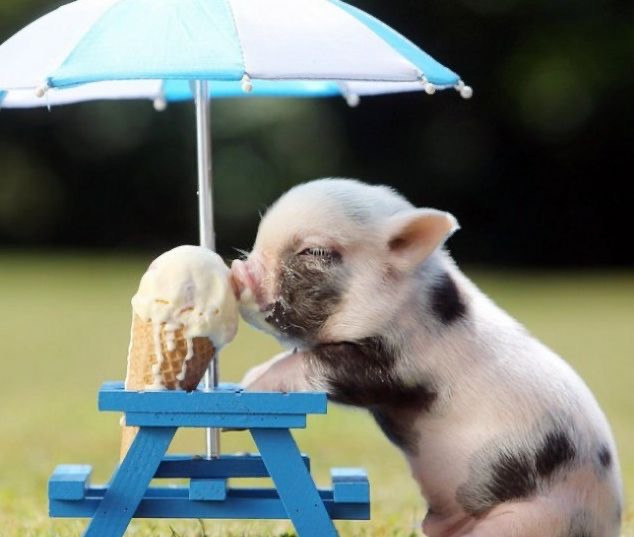
Диета: карликовые свинки нуждаются в сбалансированном питании, включающем в себя овощи, фрукты, зерновые культуры и белковые продукты. Они всеядные. Как и людям, им нужен полноценный завтрак, обед и ужин.
Не стоит давать свинкам приправы, копчености, сахар, кукурузу, консервы. Также важно следить за количеством еды, которое вы даете своему питомцу, чтобы не слишком сильно перекармливать его.
Нужно обеспечить постоянный доступ к воде и следить, чтобы она всегда была чистой.
Уход: мини-пиги, в отличие от обычных поросят, не имеют неприятного запаха. Но они все равно нуждаются в регулярной гигиене, включая купание, чистку зубов и обрезку копыт. Эти животные очень чистоплотные, поэтому важно следить за чистотой их места обитания.
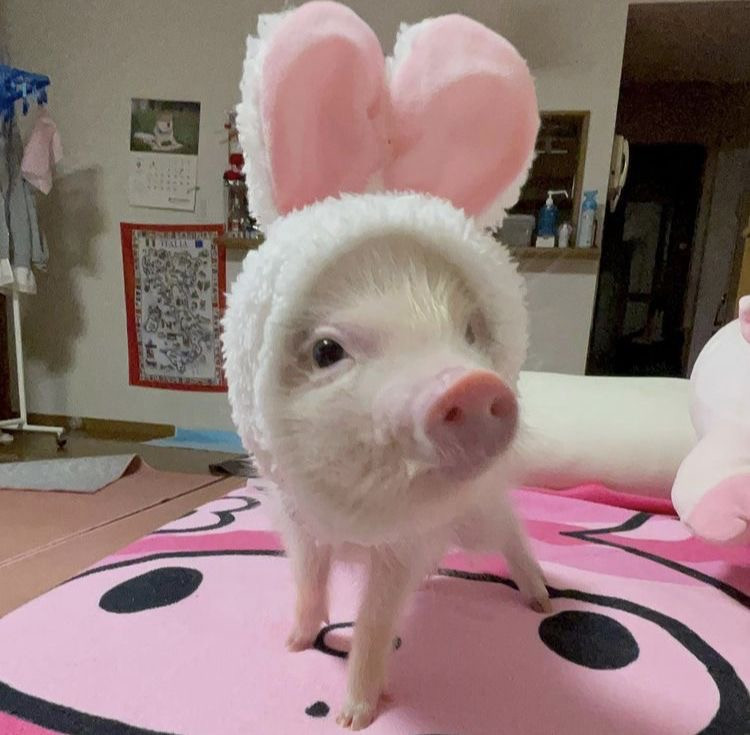
Социализация: маленькие хрюшки считаются умными животными. Они легко поддаются обучению и дрессировке. Любят играть и отличаются любознательностью. Мини-пиги могут страдать от одиночества и депрессии, поэтому регулярное общение и игры с ними очень важны.
Здоровье: карликовые свинки подвержены определенным заболеваниям, таким как анемия, рахит и болезни сердца. Также стоит опасаться сквозняков из-за которых они могут простужаться. При первых признаках странного поведения или какого-то необычного состояния свинки очень важно сразу обратиться к ветеринару
При правильном уходе, мини-пиги живут в среднем 15 лет.
Чтобы оставить здесь комментарий, войдите или зарегистрируйтесь на сайте.
Авторизация
